Cebu doesn’t get the same postcard reputation as Palawan or Boracay, but for one specific kind of trip — a full day of hopping between small, uninhabited islands, snorkeling over shallow reefs, and eating lunch on a boat — it might be the easiest place in the Philippines to pull off. The islands sit close together, the water stays calm for most of the year, and you don’t need a multi-day expedition to see three or four of them in a single outing.
If you’re planning a Cebu trip and trying to figure out where island hopping actually happens, what it costs, and which cluster of islands is worth your time, here’s what you need to know.
Why Cebu Works So Well for Island Hopping
Most of the Philippines’ best-known island-hopping destinations require a flight or a long ferry ride just to reach the starting point. Cebu is different because its island clusters sit a short boat ride from the mainland itself — in some cases less than 20 minutes from the port. That means you can be island hopping by mid-morning even if you’re staying in a hotel in Cebu City, without sacrificing a travel day just to get to the water.
The islands themselves are small — often just a stretch of sand and a fringe of coral, with no permanent settlement beyond a caretaker or two. That’s part of the appeal. You’re not visiting a resort island with beach bars and jet ski rentals; you’re anchoring off a sandbar, snorkeling over a protected reef, and moving on to the next one before the heat of the afternoon sets in.
The Mactan Cluster: Cebu’s Classic Island-Hopping Route
The most established island-hopping route in Cebu runs out of Mactan, using three neighboring islands that sit within a short stretch of water off the Cordova coastline:
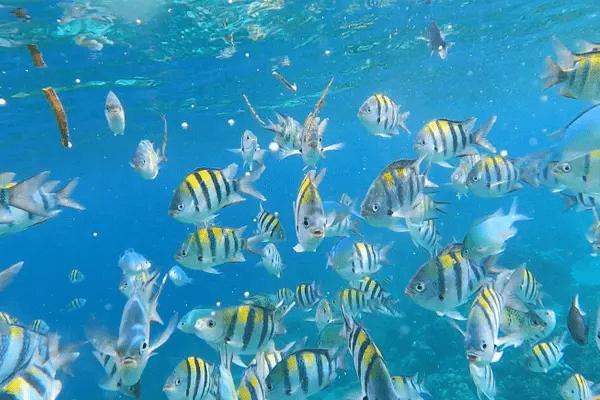
- Gilutungan Island — a marine sanctuary island where the main draw is the water itself. The reef here is protected, which means healthier coral and considerably more fish than you’ll find on an unprotected patch of sea, making it one of the better snorkeling stops in the group.
- Nalusuan Island — another marine sanctuary, paired with a small stretch of beach you can actually walk on between snorkeling sessions rather than staying in the boat the whole time.
- Caohagan Island — the beach-focused stop of the three, known for its white sand rather than its reef. It’s usually where lunch happens and where the pace of the day slows down.
A typical day on this route runs six to seven hours door to door: pickup from your hotel, a short drive to Cordova Port, and a boat that circulates between the three islands in whatever order the tide favors that day. Lunch — usually a BBQ or seafood spread — is served on the boat between stops, and snorkeling gear is standard equipment on any tour running this route, since the reef stops are the main event.
Because the crossing between islands is short, this route works for a wider range of travelers than most Philippine island-hopping trips — families with kids, older travelers who don’t want a rough, hours-long boat ride, and solo travelers who’d rather not commit a multi-day trip just to see a few islands. It’s also one of the more reliably bookable routes, since it doesn’t depend on ferry schedules or weather-sensitive open-water crossings the way trips further north or south of Cebu sometimes do. One well-reviewed operator running this exact three-island route is Cebu Tours PH, whose private Mactan island hopping tour covers Gilutungan, Nalusuan, and Caohagan with hotel pickup, snorkeling gear, and lunch included, and keeps each group on its own boat rather than combining travelers from different bookings.
Other Island-Hopping Options Around Cebu
The Mactan cluster is the easiest route to book on short notice, but it’s not the only island hopping worth knowing about if you have more time.
- Moalboal — Pescador Island: on Cebu’s west coast, Pescador Island is paired with Moalboal’s sardine run, a dense, shifting cloud of sardines close to shore that’s become one of the more distinctive things to see underwater in the Philippines. Sea turtles show up regularly here too. It’s a longer drive from Cebu City than the Mactan route, so it’s usually done as part of a wider southern Cebu day trip.
- Bantayan Island: in the north, reached by ferry from Hagnaya Port, Bantayan pairs a full day on its own white-sand coastline with a short hop to Virgin Island nearby. It’s a longer day overall than the Mactan route, closer to a 14–16 hour round trip once travel time is included.
- Kalanggaman Island: reached via Malapascua in the far north of Cebu, Kalanggaman is the most remote of the group — a long sandbar with almost nothing else on it, which is exactly its appeal. It’s a full-day commitment with an early morning pickup, better suited to travelers with a more flexible schedule than a single free day in the city.
Planning Your Trip: Practical Tips
- Best time to go: December through May is Cebu’s dry season, with the calmest seas and best underwater visibility. June through November brings more rain and rougher water on some days, though most island-hopping tours still run — just expect the sea conditions to vary more.
- What to bring: Reef-safe sunscreen, a hat, a dry bag or waterproof phone pouch, and cash for anything bought on the islands themselves — most don’t have card facilities.
- Private vs. shared boats: Shared island-hopping boats are generally cheaper per person but run on a fixed schedule with other travelers aboard. A private boat costs more but lets your group set the pace, which matters if you want more time snorkeling and less time waiting on other people.
- Book ahead in peak months: December through April sees the highest demand, and boats for the more popular routes can fill up a day or two in advance during that stretch.
Getting Started
For a first Cebu trip, the Mactan cluster is the simplest place to start — it doesn’t require a full-day commitment, works around most hotel locations in Cebu City or Mactan, and gives you a genuine sense of what island hopping in this part of the Philippines looks like before you decide whether to build a longer trip around Moalboal, Bantayan, or Kalanggaman. If you’d rather not piece together transport, boats, and permits yourself, it’s worth looking at an established local operator — you can book a private island hopping tour to Gilutungan, Nalusuan, and Caohagan directly, with pickup and lunch already arranged.