
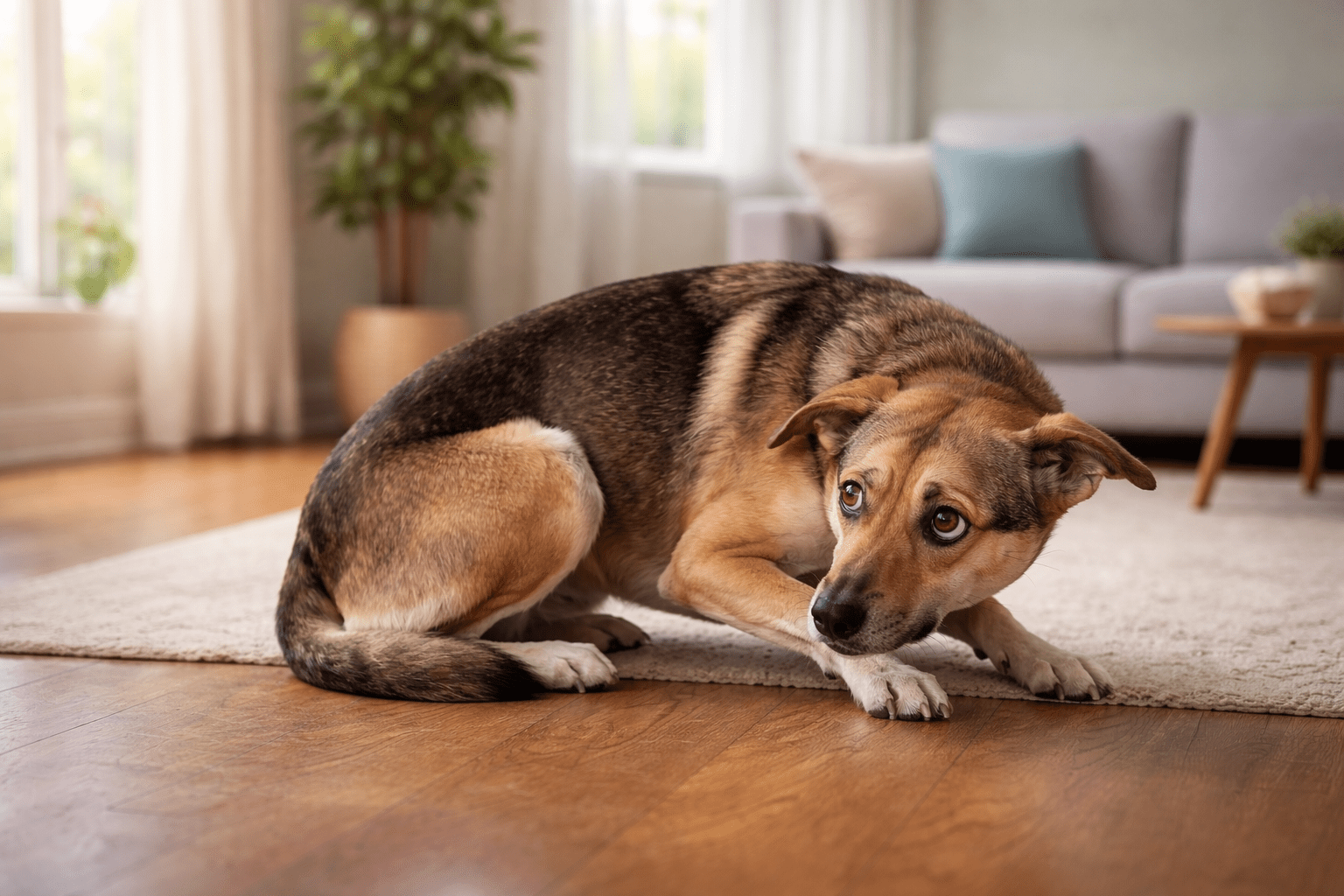
A puppy that becomes nervous whenever you leave isn’t necessarily being stubborn or badly behaved. Young dogs are still learning that short periods of separation are normal and temporary. Gradual training can help a puppy become more comfortable without turning every departure into a stressful event.
Start With Separations That Feel Manageable
Independence training works better when you begin below the puppy’s current stress threshold. Instead of disappearing for a long period immediately, step away briefly while your puppy is settled and return before anxiety builds sharply.
Your goal is to make leaving feel ordinary. People often encounter pet advice among general lifestyle material, but your own puppy’s reactions should determine how quickly training progresses.
Practice While You’re Still Home
Use a baby gate, pen, crate when appropriately introduced, or another safe puppy area. Let your puppy spend short periods there while you move around elsewhere in the home.
This teaches an important lesson: being unable to reach you every second doesn’t mean you’ve disappeared permanently.
Make Departures Boring Rather Than Dramatic
Long goodbyes can accidentally turn leaving into a major event. Put on your shoes, gather your keys, and leave calmly rather than repeatedly reassuring an already worried puppy.
Normal routines matter more than elaborate rituals. Even while browsing everyday online material, you’ll find countless training styles, but simple consistency is easier for a young dog to understand.
| Puppy Reaction | What It May Suggest | Training Response |
|---|---|---|
| Settles quickly | Exercise is manageable | Repeat and extend slowly |
| Mild whining | Some uncertainty | Keep sessions short |
| Constant barking | Difficulty is too high | Shorten the separation |
| Panic behavior | Significant distress | Seek professional guidance |
Build Duration in Small Increments
Once your puppy can remain relaxed for a short separation, increase the time gradually. Progress doesn’t have to follow a perfect schedule. Some sessions may be longer, while the next one should be easier.
Providing a safe chew or food toy can create a pleasant activity during calm practice. Broader digital reading habits can supply endless ideas, but avoid changing several parts of your routine at once because you won’t know what actually helped.
Where Independence Training Can Fail
Increasing alone time too quickly is one of the easiest mistakes. A puppy that can comfortably manage five minutes isn’t automatically ready for an hour.
Another mistake is treating distress as something the puppy must simply “get over.” Repeated overwhelming experiences can make departures more emotionally charged rather than less. Training should challenge the puppy gently without intentionally pushing it into panic.
Create a Predictable Daily Rhythm
Exercise, toilet breaks, sleep, feeding, play, and quiet periods all affect how easily a puppy settles. A puppy with unmet physical needs will have a harder time relaxing alone.
At the same time, don’t entertain your puppy every waking minute. Calm periods near you, but without constant interaction, can build useful independence before you even leave the house.
Frequently Asked Questions
How long should a puppy be left alone during training?
There isn’t one training duration that fits every puppy. Start with a period your puppy can handle calmly and increase it gradually while considering age, toilet needs, temperament, and previous training.
Should I return when my puppy starts whining?
Persistent or escalating distress usually means the exercise became too difficult. Adjust future sessions so you can return before the puppy reaches that level rather than repeatedly rehearsing intense anxiety.
Can toys help a puppy feel comfortable alone?
Safe food toys or appropriate chews can encourage settling, provided the puppy uses them safely without supervision. They work best as part of gradual independence training rather than as a substitute for it.
Let Confidence Grow at the Puppy’s Pace
Successful alone-time training is less about reaching a particular number of minutes and more about building repeated experiences in which separation feels safe and predictable. Watch your puppy’s behavior, increase difficulty slowly, and reduce it when stress rises. If distress remains intense or worsens, a veterinarian or qualified behavior professional can help determine the next step.