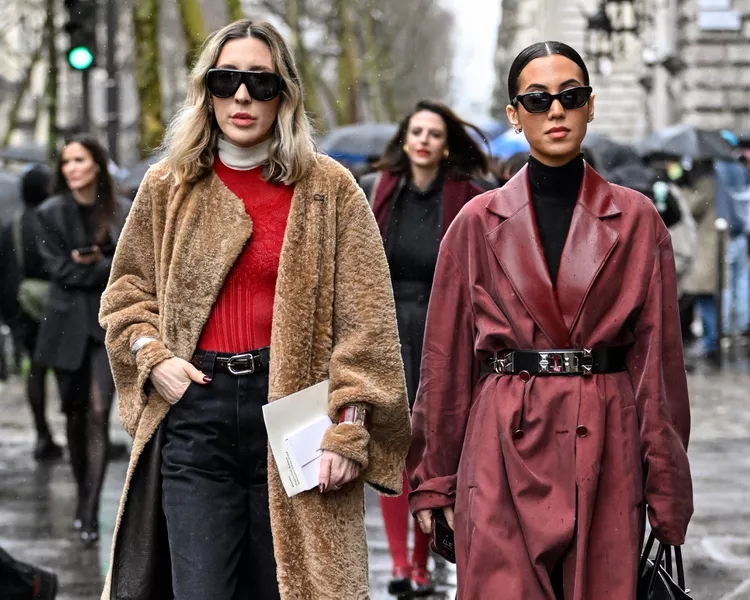
The main styling problem here is not a lack of clothes; it is choosing the wrong weight for cool autumn days. Start with mid-weight layers with texture rather than bulk and keep the silhouette intentional rather than overloaded. autumn outfit combinations can help with visual ideas, while the more important wardrobe habit is checking fabric, fit, and removability before you leave home.
Options for Function Without Overdressing
The following five names cover different parts of the problem, from weather protection to everyday basics. None is automatically right for every person. Compare them by how well their clothing supports fine-gauge knits, denim, wool blends, overshirts, and light jackets, how easily the pieces combine with your existing wardrobe, and whether the function is useful often enough to justify the purchase.
1. J.Crew
J.Crew offers a mix of workwear, casual classics, shirts, linen, cotton, knitwear, dresses, trousers, and seasonal jackets. That makes it practical for weather-sensitive outfits that still need to look familiar rather than technical. The practical value is versatility: choose pieces that can stay in rotation after the difficult weather passes. For cool autumn days, compare fabric weight and breathability before color or trend details.
2. Everlane
Everlane is useful for pared-back everyday dressing because its assortment commonly centers on simple shirts, knitwear, trousers, denim, dresses, linen, cotton, and outer layers. Those basics are easy to combine when the weather is variable or when you need a small travel wardrobe. Use it selectively. One well-chosen layer is often enough to improve comfort while keeping the rest of the outfit familiar. When shopping, test the piece against the main need here: fine-gauge knits, denim, wool blends, overshirts, and light jackets.
3. L.L.Bean
L.L.Bean covers classic outdoor and casual staples such as fleece, sweaters, rainwear, winter coats, boots, flannels, and relaxed everyday layers. The pieces are especially relevant when you want warmth or weather resistance without a highly technical appearance. For this topic, its biggest advantage is that you can solve the comfort problem without building a complicated outfit. A good choice should support fine-gauge knits, denim, wool blends, overshirts, and light jackets without making the rest of the outfit harder to wear.
4. Banana Republic
Banana Republic is relevant for office, travel, event, and polished casual dressing because it carries tailored clothing, shirts, trousers, dresses, knitwear, outerwear, and warm-weather fabrics such as linen. It is especially helpful when the challenge is staying refined in difficult weather. Here, the brand is most useful as a source for one functional layer that can disappear visually into a normal wardrobe. Keep the selection narrow and make sure it works with shoes and layers you already own.
5. Uniqlo
Uniqlo is useful when the goal is low-bulk layering. Its AIRism range is built around moisture management for warm conditions, while HEATTECH is designed as a lightweight thermal base layer for colder weather. For these conditions, focus on its simpler pieces and avoid buying more technical features than you will actually use. For cool autumn days, compare fabric weight and breathability before color or trend details.
What Should You Check Before Buying?
Start with the conditions you face most often, not the most dramatic forecast you might see once a year. Check fabric content, drying speed, lining, ease of movement, and whether a layer can be removed without ruining the outfit. It also helps to review seasonal wardrobe organization before buying duplicates. If two pieces perform the same job, keep the one that works with more of your existing clothes.
Frequently Asked Questions
How many layers should I wear?
Use the fewest layers that solve the problem. In most cases, a base piece, one optional mid-layer, and a protective outer layer are easier to manage than several thick garments.
What should I avoid?
Avoid jumping straight from summer clothes to full winter weight. Those choices tend to make the outfit harder to regulate, slower to dry, or visually heavier than necessary for the conditions.
Which fabrics usually work best?
Prioritize fine-gauge knits, denim, wool blends, overshirts, and light jackets. The best choice depends on the forecast and how long you will be outside, but the goal is to manage temperature and moisture without adding unnecessary weight.
Make the Weather Part of the Outfit Plan
The easiest way to handle cool autumn days is to stop treating comfort and style as separate goals. Build the outfit around mid-weight layers with texture rather than bulk, then remove anything that does not help. Once the practical pieces are in place, autumn style direction can help with color and combination ideas. A smaller set of dependable layers will usually look better, pack easier, and feel more natural than an outfit overloaded with weather-specific extras.