Basics are bought often enough that small quality differences compound quickly. A T-shirt that twists, pills, loses shape, or becomes transparent after a few washes can be more expensive over time than a slightly better option worn for years. A better process starts by separating what looks appealing from what will work in real life. For broader style browsing, better basics inspiration can provide extra ideas, but the purchase itself should still pass your personal checklist. For U.S. consumers shopping in stores or online, a few deliberate checks can reduce wasted money without removing the fun from clothes.
Five Shopping Options Worth Using Carefully
Different retailers expose different parts of the buying decision. Some are useful for size charts, some for multi-brand comparison, and some for secondhand condition details. The point is to use those differences as information, not as a reason to skip your own checks.
1. Gap
Gap publishes category-specific size charts and measuring tips for women, men, kids, and baby apparel. That makes it useful when you want to compare body measurements with a labeled size instead of relying on the number or letter alone. When shopping here, keep the article’s main rule in view: the individual garment still has to satisfy your fit, use, quality, and budget needs.
2. Target
Target offers apparel alongside everyday household shopping and maintains a published returns process with item-specific exceptions. Because fashion can appear next to routine purchases, it is a practical setting for separating a planned clothing need from an unplanned add-on. The useful habit is to treat Target as one comparison point, then judge the item on its own details before deciding.
3. H&M
H&M sells trend-led apparel and basics online and in U.S. stores, with a published return process for eligible purchases. It can be a useful place to practice slowing down on low-cost fashion by checking material details, care needs, and how often an item is likely to be worn. This makes H&M most useful when you arrive with clear criteria and compare the product information with what your wardrobe actually needs.
4. Levi’s
Levi’s provides detailed waist, hip, and inseam guidance for jeans and other clothing. Because denim fit depends on more than a single waist number, its measurement-based approach is a useful reminder to compare proportions as well as the size printed on the tag. Use the information available at Levi’s to narrow choices, but make the final call from the garment’s measurements, materials, condition, and likely use.
5. Macy’s
Macy’s sells clothing across many brands and notes that size charts are available on many product pages. A department-store assortment can help shoppers compare materials, cuts, and price levels without assuming that one brand’s sizing or quality standard applies to another. For this topic, use Macy’s as a place to compare the specific item against your own checklist instead of letting brand familiarity make the decision.
How to Make the Decision More Deliberate
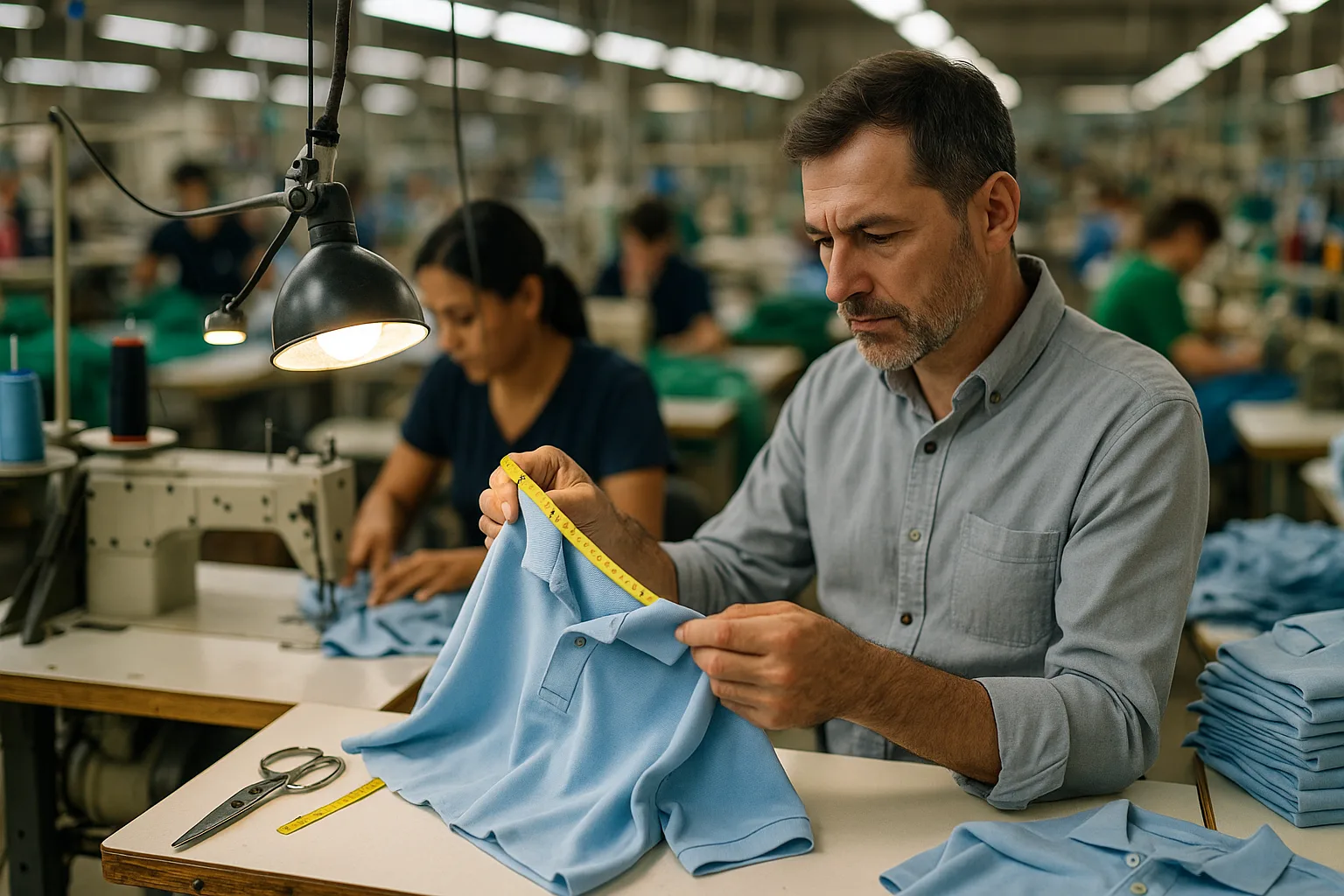
Before buying multiples, test one piece. Check the neckline, hem, side seams, fabric recovery, opacity, shrinkage risk, and how it behaves after a normal wash. Do not stock up on a basic because the first try-on feels acceptable. Wear and wash one item several times before buying the same style in multiple colors. For another source of general fashion reading, quality-focused wardrobe notes can be useful while you keep the actual decision tied to the item in front of you. The important part is consistency. A simple checklist used every time will usually prevent more regret than a long checklist used only on expensive purchases.
Frequently Asked Questions
What should I check in a basic T-shirt?
Look at fabric density, side-seam alignment, neckline stability, stitching, opacity, and how the fabric returns after stretching. Fit after washing matters as much as fit in the fitting room.
Is buying basics in bulk a good idea?
Only after you know the specific item works for you. Buying several at once can multiply a sizing, shrinkage, or quality problem.
How many washes should I test before buying more?
There is no fixed number, but a few normal wash-and-wear cycles can reveal shrinking, twisting, fading, pilling, or loss of shape.
Make the Purchase Earn Its Place
The best time to judge a basic is after real use, not at the register. Test one, wash it normally, and only then decide whether it deserves space in several colors. If you want more durable style ideas, durable style ideas can be another source of general style reading. What matters most is keeping your own fit, use, and budget rules in charge of the purchase.