A small crack in an outdoor tile can become a larger repair when water reaches the adhesive, grout bed, or surface below. Temperature changes and repeated moisture exposure can widen damaged areas over time. Repairing cracked patio tiles early helps protect both the visible finish and the supporting layers underneath.
The right repair depends on whether the damage is cosmetic, isolated, or a sign that the base itself is moving.
Check What Caused the Crack First
A cracked tile may result from impact, movement beneath the patio, poor installation, freeze-thaw cycles, or inadequate expansion space. Replacing the tile without considering the cause can lead to another crack in the same location.
People comparing renovation ideas through residential improvement topics may focus on appearance first, but movement and moisture should be investigated before matching colors or patterns.
Hairline damage may sometimes remain stable, while cracks crossing several tiles can indicate a broader substrate issue.
Keep Water Out of Damaged Areas
Outdoor tile systems regularly face rain, washing, and moisture from nearby landscaping. Once a crack opens, water can move below the surface more easily.
Resources covering household maintenance subjects may provide ideas for routine care, yet patio repairs should be based on the tile type, adhesive system, grout, and local weather exposure.
Remove loose debris from the crack and keep the area as dry as practical while deciding on the repair.
Don’t Seal Over Loose Material
Sealants and repair compounds work poorly when applied over dust, crumbling grout, or unstable tile edges. Cleaning and preparation often determine whether a small repair lasts.
Decide Between Filling and Replacement
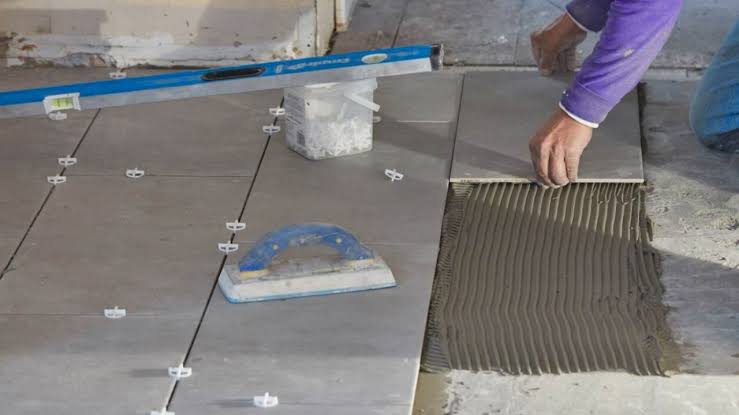
Very small stable cracks may sometimes be repaired with products designed for exterior tile. A badly fractured, loose, hollow-sounding, or uneven tile is usually a stronger candidate for replacement.
Design-focused surface and wall ideas can help when matching finishes, but technical compatibility matters more than appearance. Replacement tiles should be suitable for exterior exposure and appropriate for the existing installation.
| Damage Pattern | Possible Issue | Typical Response |
|---|---|---|
| Fine isolated crack | Minor impact or stress | Inspect and seal if appropriate |
| Multiple cracked tiles | Base movement | Check substrate |
| Loose tile | Adhesive failure | Remove and reinstall |
| Crumbling grout | Weathering or movement | Remove weak grout and repair |
Repair the Surrounding Grout Too
A replacement tile won’t solve moisture entry if the surrounding grout is cracked or missing. Inspect nearby joints before finishing the repair.
Outdoor joints also need room to accommodate movement. Filling every gap with rigid material can sometimes create new stress points, especially around edges and changes in direction.
If cracks repeatedly return, the issue may be below the decorative surface rather than in the tile itself.
Where Quick Patio Repairs Often Fail
A common shortcut is spreading sealant over the top of a crack without checking whether the tile moves underfoot. Flexible material may hide the opening briefly, but it cannot stabilize a loose substrate.
Another mistake is installing an indoor replacement tile outdoors because its pattern matches. Exterior patios deal with water, temperature swings, and foot traffic. A visually perfect match isn’t useful if the replacement isn’t rated for the conditions.
Frequently Asked Questions
Can one cracked patio tile be replaced?
Yes, an isolated tile can often be removed and replaced if the surrounding installation and substrate are still sound. Care is needed to avoid damaging neighboring tiles.
Should cracked outdoor grout be sealed immediately?
Loose or crumbling grout should generally be removed and repaired first. Applying sealer over unstable material does not restore the joint beneath it.
Why do replacement tiles sometimes crack again?
Recurring cracks can point to movement, inadequate expansion joints, poor bonding, moisture problems, or defects in the supporting base.
Fix the Cause Before the Finish
Treat a cracked patio tile as more than a cosmetic mark. Determine whether the tile is stable, check nearby grout and joints, and look for signs of movement or trapped water. Addressing those conditions before completing the surface repair gives the patio a better chance of staying intact through future wet and dry cycles.