
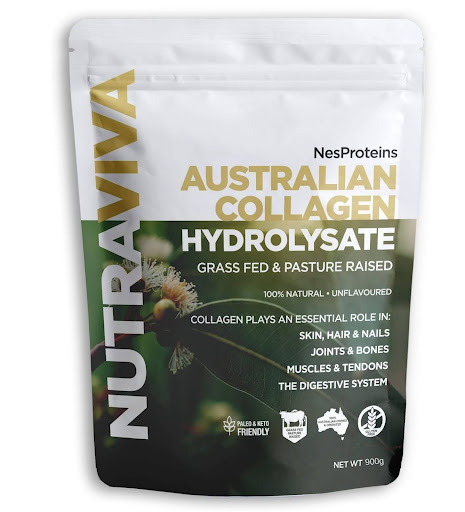
In recent years, collagen protein has surged in popularity, becoming a staple in health-conscious diets, beauty routines, and fitness supplements. But what exactly is collagen protein, and why is it considered such a powerhouse for the body? This article dives into the science and practical benefits behind collagen, helping you understand how it supports your overall health and wellness.
What Is Collagen Protein?
Collagen is the most abundant protein in the human body, accounting for nearly 30% of total protein content. It’s a major structural component of connective tissues such as skin, bones, tendons, ligaments, and cartilage. Collagen provides strength, elasticity, and support, essentially acting as the “glue” that holds everything together.
Collagen protein supplements are typically derived from animal sources—commonly bovine (cow), marine (fish), or poultry. These supplements are hydrolyzed into peptides, making them easier to digest and absorb by the body.
Key Benefits of Collagen Protein
- Improves Skin Health
Collagen helps maintain skin elasticity and hydration. Supplementing with collagen has been shown to reduce wrinkles and dryness, contributing to a more youthful appearance over time. - Supports Joint Health
Collagen plays a key role in maintaining cartilage integrity. It may help alleviate joint pain and reduce the risk of joint deterioration, especially in athletes and aging adults. - Strengthens Hair and Nails
Regular intake of collagen can lead to stronger, faster-growing nails and thicker, healthier hair. - Enhances Muscle Mass
When paired with resistance training, collagen protein may help increase muscle mass and strength, particularly in older individuals experiencing muscle loss. - Boosts Bone Density
Collagen works alongside calcium and other minerals to support bone strength. Studies suggest collagen supplements may increase bone mineral density and reduce the risk of osteoporosis. - Improves Gut Health
Collagen contains amino acids like glutamine, which may help strengthen the gut lining and aid digestion, benefiting those with leaky gut or other digestive issues.
Best Sources of Collagen
- Bone Broth – Made by simmering animal bones, it’s a natural source of collagen.
- Collagen Supplements – Usually available as powders, capsules, or liquid peptides.
- Protein-Rich Foods – Eggs, chicken skin, fish skin, and gelatin contain collagen or its building blocks.
How to Use Collagen Protein
Collagen supplements are highly versatile. You can mix unflavored collagen peptides into:
- Coffee or tea
- Smoothies or shakes
- Soups or oatmeal
- Baked goods or pancake batter
A typical dosage ranges from 5 to 15 grams per day, depending on your goals and health needs. Consistency is key—visible benefits often appear after 4–12 weeks of daily use.
Final Thoughts
Collagen protein is more than just a beauty trend—it’s a foundational nutrient with far-reaching benefits for your skin, joints, muscles, and more. Whether you’re looking to age gracefully, boost athletic performance, or simply support everyday wellness, adding collagen to your daily routine can be a valuable investment in your health.