
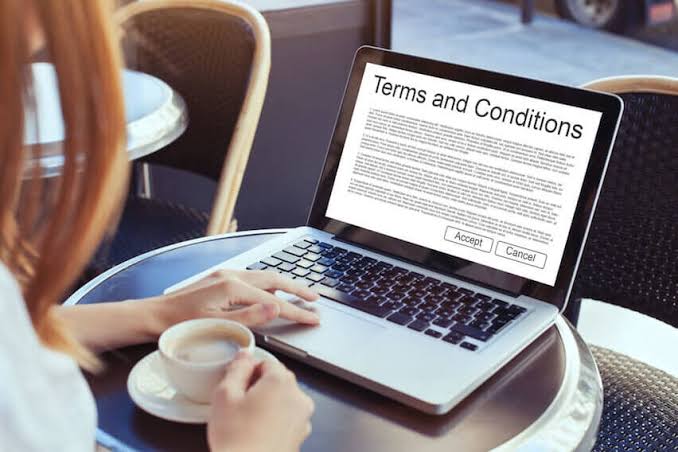
A button marked “Accept,” “Agree,” or “Continue” can carry more significance than its simple design suggests. Digital contract problems often arise because users move through online transactions quickly without examining payment obligations, renewal terms, dispute clauses, cancellation rules, or restrictions attached to the service.
Before accepting electronic terms, identify what commitment the action is intended to create.
Why Online Agreement Design Matters
Digital contracts can appear during software installation, subscriptions, account creation, purchases, mobile-app registration, and business transactions.
Contract enforceability can depend on applicable law and the circumstances showing whether reasonable notice and assent existed. That means the presentation of the terms may matter alongside the wording itself.
The federal Electronic Signatures in Global and National Commerce Act provides an important framework for electronic records and signatures in transactions affecting interstate or foreign commerce. The statutory text is available through Congress.gov.
Read the Terms Attached to the Acceptance Action
A prominent agreement checkbox connected directly to accessible terms creates a different factual record from terms buried several pages away.
People researching contract disputes sometimes use consumer legal information to become familiar with legal terminology. For an actual transaction, however, users should preserve the specific version of the agreement they accepted.
Save More Than a Screenshot
Keep the complete agreement if possible, along with the acceptance date, confirmation email, invoice, order number, and any amendments received afterward.
Screenshots can help establish how the interface appeared, but a complete record usually provides more useful context than one isolated image.
| Digital Contract Issue | Document to Preserve | Why It Matters |
|---|---|---|
| Automatic renewal | Subscription terms | Shows renewal conditions |
| Cancellation | Cancellation policy | Identifies required steps |
| Payment dispute | Invoice and agreement | Connects charges to terms |
| Account termination | Service terms | Shows suspension rules |
Pay Attention to Renewal and Cancellation Language
Subscription disputes frequently center on timing. A user may believe a service was purchased for one period while the provider treats it as automatically renewing.
Information found through online legal topic resources can help readers identify questions worth investigating, but the transaction records remain central when determining what happened.
Before clicking acceptance, look for renewal frequency, cancellation deadlines, refund provisions, price-change language, trial conversion terms, and any notice requirements.
Identify Dispute and Liability Clauses
Digital agreements may contain provisions dealing with governing law, dispute procedures, arbitration, liability limitations, warranties, intellectual property, and account restrictions.
Related contract and consumer dispute discussions may illustrate how strongly written terms can affect everyday disagreements. The effect of any particular clause, however, can depend on applicable law and the facts surrounding acceptance.
Businesses should pay special attention when an employee accepts terms on behalf of the organization. Internal authority to enter agreements should be clearly defined.
What Users Commonly Miss
The biggest mistake is treating an acceptance screen as a routine obstacle rather than a transaction step.
Another problem is assuming that all online agreements work the same way. The governing law, interface, wording, consumer protections, type of transaction, and evidence of assent can all differ. Users may also overlook later modifications sent through email or account notices, leaving them uncertain about which version applies.
When a Digital Contract Dispute Needs Legal Attention
Legal review may be useful when a digital agreement involves substantial charges, business interruption, intellectual-property rights, threatened litigation, arbitration demands, recurring payments that cannot be stopped, or disagreement about whether a contract was formed.
Preserve records before accounts are closed or webpages change. Emails, payment records, screenshots, downloaded terms, and communications with the provider can help a lawyer evaluate the situation.
Frequently Asked Questions
Is clicking “I agree” the same as signing a contract?
It can serve as evidence of electronic assent, depending on the transaction, applicable law, notice provided, and circumstances surrounding the acceptance process. The specific interface and terms matter.
Can online contract terms change after I accept them?
Providers may attempt to amend terms according to procedures stated in the agreement. Whether a change applies can depend on the contract, notice process, governing law, and other circumstances.
Should businesses keep copies of online agreements?
Yes. Maintaining the accepted version, purchase records, renewal notices, and later amendments can reduce uncertainty if questions arise about pricing, permissions, cancellation, or contractual obligations.
Slow Down at the Acceptance Screen
A digital agreement can create obligations even though the transaction takes only seconds. Read the terms connected to payment, renewal, cancellation, disputes, data use, and account restrictions before accepting them.
For important commercial transactions, preserving the agreement and obtaining legal guidance where needed can be far less disruptive than reconstructing the transaction after a dispute begins.
This article is for general informational purposes and is not a substitute for professional legal advice.