Indoor cats may have food, warmth, and comfortable places to sleep yet still experience long stretches with little stimulation. Enrichment adds opportunities to explore, chase, climb, observe, scratch, and interact.
Helping lonely house cats does not require entertaining them every minute. A better approach is creating several small activities that fit naturally into their normal day.
Make the Home More Interesting to Explore
Cats often respond well to vertical space. A cat tree, sturdy shelf, cleared windowsill, or safe elevated perch gives them another territory to investigate.
Even small changes can make familiar rooms feel different. Owners browsing broader lifestyle reading may encounter many enrichment ideas, but the best options are those that match the cat’s age, mobility, and temperament.
Rotate Rather Than Constantly Add Toys
Leaving every toy on the floor can make them less interesting over time. Put some away and rotate them every few days.
A forgotten toy can feel new again when it returns. This also reduces clutter and makes it easier to see which toys genuinely hold your cat’s attention.
Turn Hunting Instincts Into Daily Play
Short interactive play sessions can imitate parts of hunting behavior. Wand toys, rolling balls, and toys that move unpredictably often encourage stalking and chasing.
Some pet-care reading may offer activity inspiration, although individual cats differ widely. Let the cat catch the toy periodically so the game has a satisfying outcome rather than becoming endless frustration.
| Enrichment Type | Simple Example | Purpose |
|---|---|---|
| Movement | Wand toy | Chasing and stalking |
| Climbing | Cat tree | Vertical exploration |
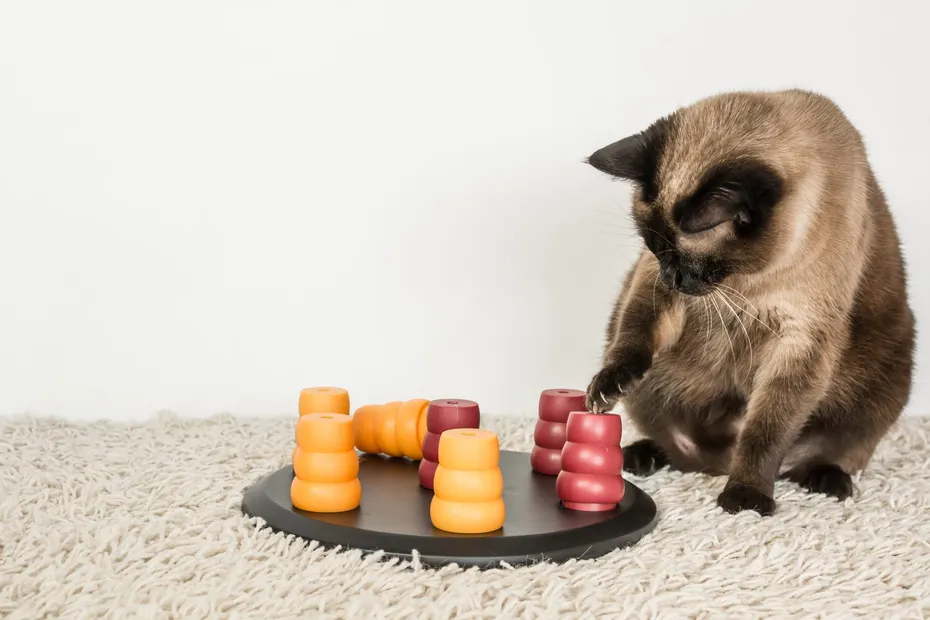
| Foraging | Puzzle feeder | Problem-solving |
| Observation | Window perch | Visual stimulation |
Make Food Part of the Activity
Food does not always need to appear instantly in a bowl. Puzzle feeders, treat balls, or small portions placed in several safe locations can encourage searching behavior.
Start with an easy puzzle. If getting food becomes too difficult, enrichment turns into frustration instead of an interesting challenge.
Thoughtful general pet discussions may suggest creative ideas, but portion control still matters when treats or food rewards are added throughout the day.
Use Windows, Sounds, and Safe Novelty
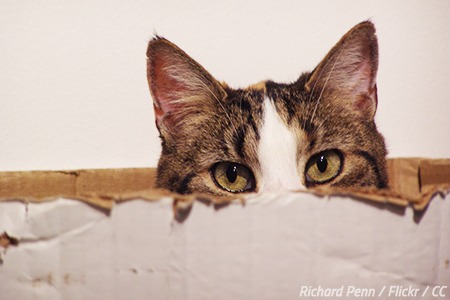
A secure window perch can provide changing sights such as birds, pedestrians, leaves, and passing vehicles. Some cats also enjoy cardboard boxes, paper bags with handles removed, or tunnels placed in different parts of the room.
Novelty does not have to mean buying something. Moving a box or changing a blanket’s location may be enough to encourage investigation.
Mistakes That Reduce Enrichment
More activity is not always better. A shy cat may dislike constant noise, frequent rearranging, or forced interaction.
Another mistake is using hands as toys. Encouraging a cat to grab or bite fingers can create behavior that becomes painful later. Toys should provide separation between playful hunting and human skin.
Frequently Asked Questions
How much play does an indoor cat need each day?
Needs vary, but several short sessions are often easier for cats and owners than one long session. Watch whether the cat remains interested, becomes tired, or walks away.
Can a second cat fix loneliness?
Not automatically. Some cats enjoy feline companionship, while others prefer their territory without another cat. Introductions also need to be gradual because simply placing unfamiliar cats together can create stress.
Are cardboard boxes good enrichment for cats?
They can be. Boxes offer hiding, exploration, and resting opportunities at almost no cost. Remove staples, tape loops, loose string, or other pieces that could create a safety problem.
Build Interest Into Ordinary Days
The strongest enrichment plan is one that remains easy enough to continue. Add a perch, rotate toys, create short hunting-style play sessions, and occasionally change the environment.
Watch what your cat chooses rather than assuming every popular toy will work. Their behavior will tell you which activities deserve a permanent place in the routine.