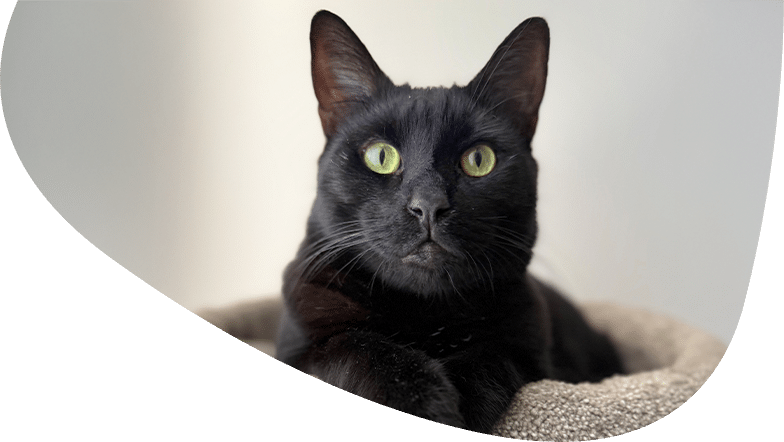
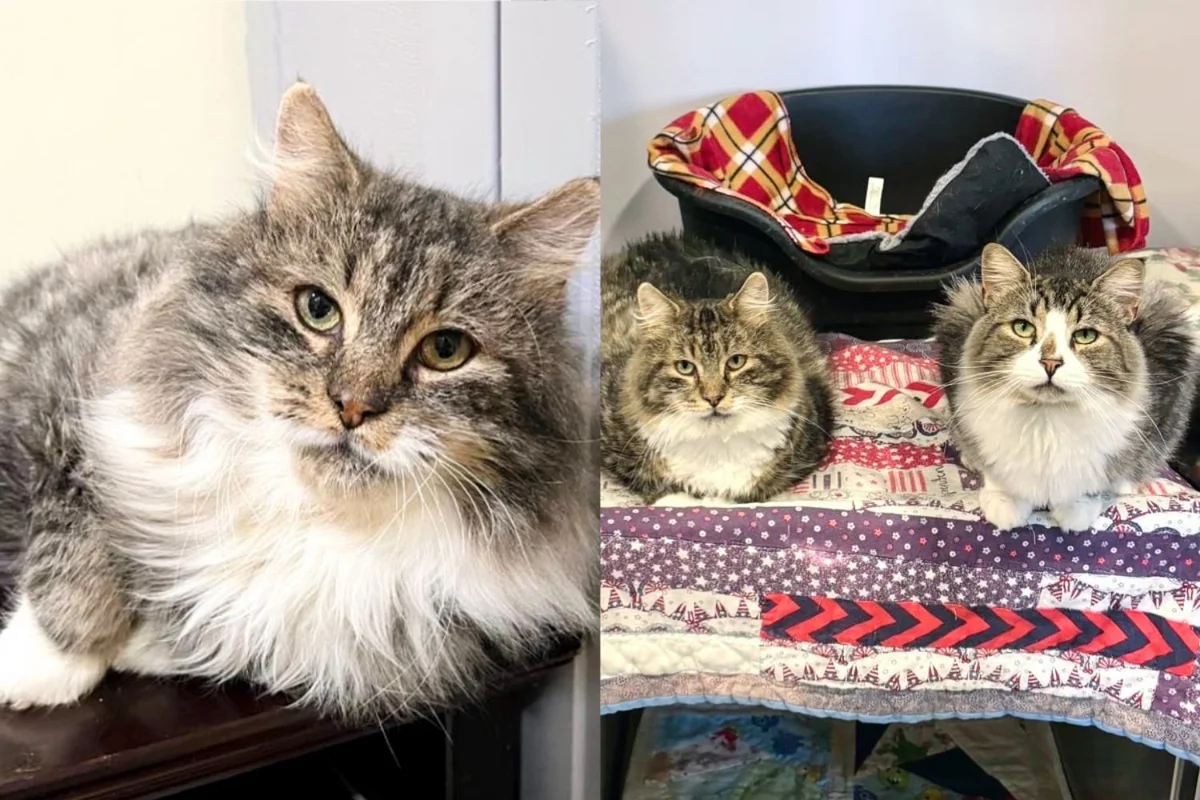
A fearful shelter cat usually needs predictability before it needs attention. New smells, unfamiliar voices, other animals, transportation, and a strange room can make even a normally social cat hide or avoid contact.
A small, quiet environment gives the cat fewer things to process. Trust can then develop at the cat’s pace instead of being forced through repeated handling.
Begin With a Small Safe Area
A quiet bedroom, office, or similarly contained room is often easier for a nervous cat than immediate access to an entire home. Include food, water, litter, comfortable bedding, scratching material, and at least one suitable hiding place.
Don’t drag the cat out simply because it spends hours hiding. Hiding can provide temporary security while the animal studies unfamiliar sounds and household routines.
| Setup Element | Helpful Choice | Common Problem |
|---|---|---|
| Hiding place | Covered bed or box | Removing every hiding option |
| Food and water | Easy-to-reach location | Placing bowls beside litter |
| Human contact | Calm, brief visits | Constant handling |
| Room activity | Predictable and quiet | Frequent visitors |
Let Your Presence Become Ordinary
Spend short periods in the room without demanding interaction. Reading quietly, working on a laptop, or sitting several feet away can allow the cat to observe you without feeling pursued.
People often browse online media reading while sitting nearby, and that kind of calm activity can actually suit the situation well. The point isn’t the material being read; it’s that your presence becomes quiet and predictable.
Avoid staring continuously at the cat. Facing slightly away and allowing the cat to decide whether to approach creates less social pressure.
Use Food Without Turning It Into Pressure
Meals and treats can help create positive associations, but food shouldn’t become a trick for forcing physical contact. Start by placing something appealing at a distance where the cat is comfortable eating.
As confidence improves, you can gradually remain closer during meals. Familiar household routines matter more than dramatic attempts to make progress, despite the quick transformations sometimes featured in headline roundups.
A cat that eats comfortably while you remain nearby may be showing meaningful progress even if it still isn’t ready to be touched.
Watch the Cat’s Body Language
Fear isn’t expressed only through hiding. A nervous cat may crouch low, flatten its ears, freeze, retreat, swat defensively, or keep substantial distance between itself and unfamiliar people.
Broader publisher features can be useful casual reading while you learn about different topics, but the cat in front of you provides the most relevant feedback. If approaching makes the cat tense or retreat, increase the distance again.
Respecting that response teaches the cat that moving away works without needing to escalate defensive behavior.
What People Often Get Wrong
Progress with a fearful cat rarely follows a neat schedule. One cat may explore after a night, while another may need considerably longer before comfortably moving around when people are present.
The biggest mistake is treating physical closeness as the only sign of improvement. Eating normally, grooming, using the litter box, playing when alone, resting in a more open position, or remaining in the room rather than fleeing can all show growing comfort.
Frequently Asked Questions
How long does a fearful shelter cat take to trust someone?
There is no universal timetable. Temperament, past experiences, age, household activity, and the intensity of the transition can all affect how quickly a cat becomes comfortable.
Should I block all hiding places?
No. Suitable hiding places can help a frightened cat feel secure. Block only unsafe spaces where the cat could become trapped or inaccessible, and provide safer covered alternatives nearby.
Should visitors meet a new nervous cat?
Keeping early interactions limited is often easier for a fearful newcomer. Once the cat is comfortable with its primary caregivers and routine, calm introductions to other people can happen gradually.
Let Trust Develop Through Choice
The strongest early goal isn’t getting a fearful shelter cat onto your lap. It’s creating a space where nothing frightening happens when the cat eats, rests, explores, or watches you. Keep routines steady, respect retreat, and allow curiosity to replace fear gradually.
If the cat stops eating, appears injured, becomes suddenly unwell, or shows other concerning physical changes, contact a veterinarian rather than assuming fear is the only cause.