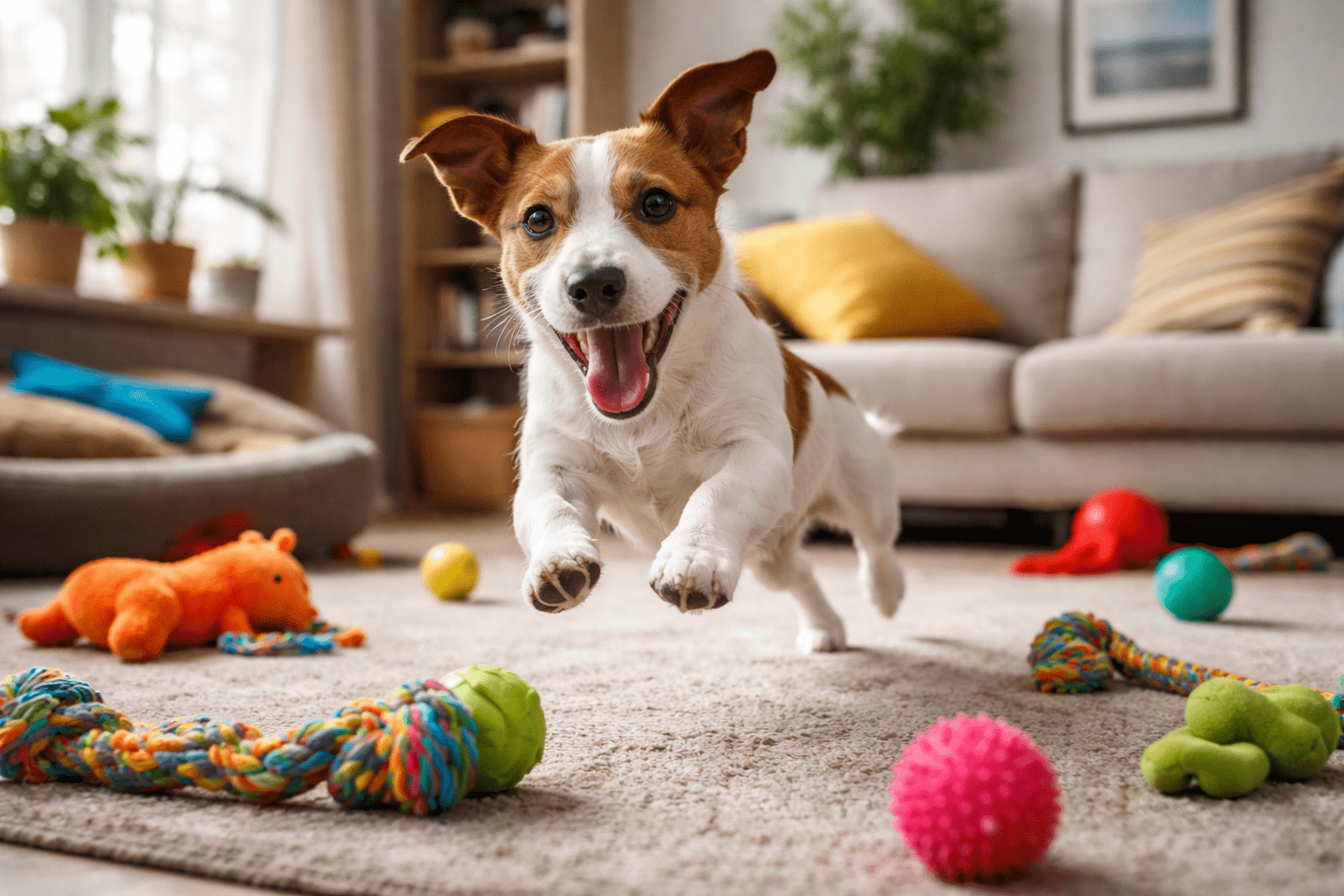
Young dogs can seem endlessly energetic, especially when their day lacks predictable outlets for movement and thinking. More exercise isn’t always the complete answer. Structured play combines physical activity with simple rules, pauses, training cues, and recovery time, helping an excitable dog practice switching between activity and calm behavior.
Give Energy a Purpose Instead of Fighting It
Running around the house, grabbing objects, jumping, and demanding attention often intensify when a young dog has nothing specific to do. Randomly trying to stop every energetic behavior can become frustrating for both dog and owner.
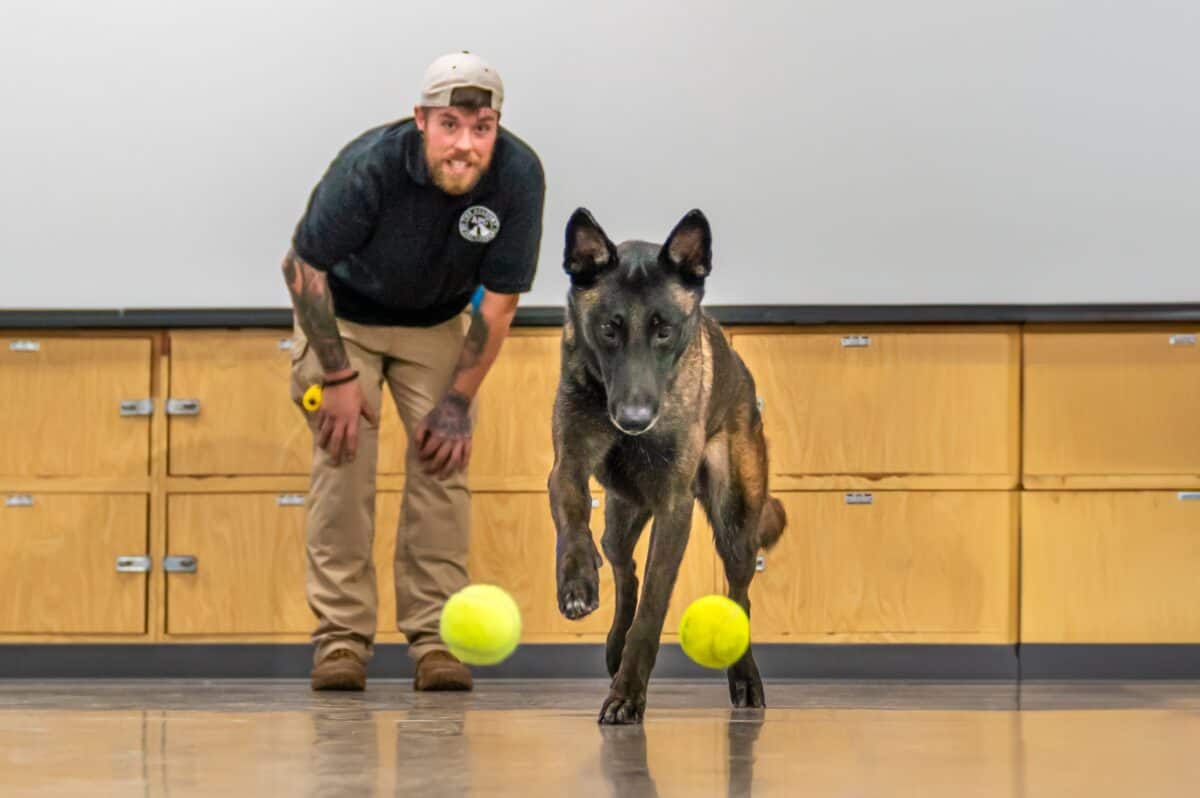
Instead, create short activities with clear beginnings and endings. Fetch, tug, scent games, and basic training can all work. Owners researching everyday pet topics may encounter countless exercise ideas, but the best starting point is usually an activity that fits the dog’s age, size, temperament, and current training.
| Activity | Main Benefit | Useful Structure |
|---|---|---|
| Fetch | Running and recall | Short sets |
| Tug | Interactive play | Release cue |
| Scent search | Mental effort | Hide easy items |
| Training games | Focus and control | Brief sessions |
Turn Play Into a Simple Training Session
Structured play doesn’t require complicated commands. Asking for a sit before throwing a toy or a release before restarting tug introduces self-control without removing the fun.
Keep sessions short enough that the dog can still respond. If excitement becomes so intense that cues are ignored, pause instead of repeatedly shouting commands. Discussions across general reading platforms may suggest different techniques, but consistency inside your own household matters more than constantly changing rules.
Reward the Pause, Not Only the Action
Owners often reward movement while accidentally overlooking calm behavior. A dog that lies down after playing, releases a toy willingly, or waits briefly before restarting has done something worth reinforcing.
Calm moments teach an important pattern: exciting activity doesn’t have to continue nonstop.
Add Mental Work to Physical Exercise
A young dog can run for a long time and still return home looking for something to do. Mental tasks create a different kind of challenge.
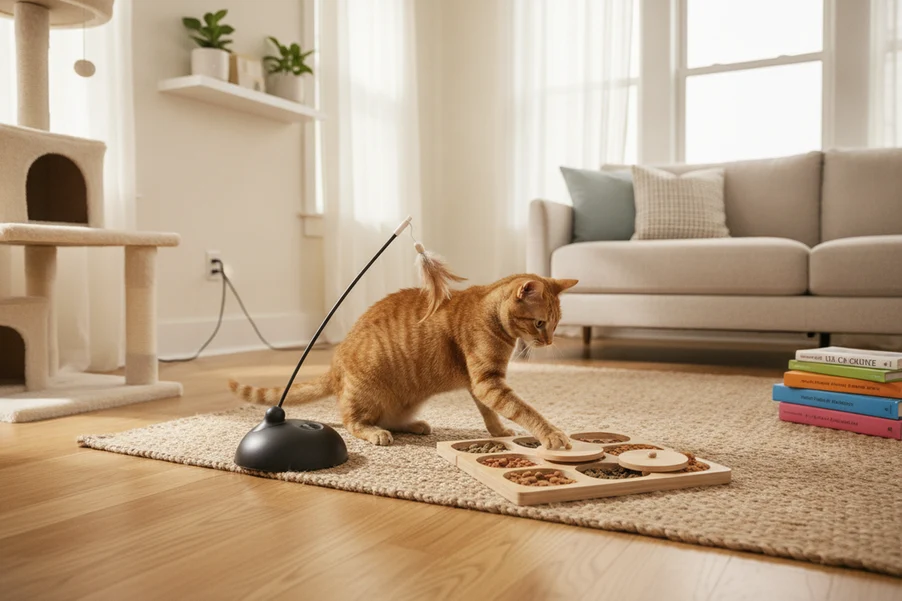
Food puzzles, simple scent searches, hide-and-seek, and short training sequences can add useful variety. While online lifestyle material can inspire new activities, introduce games gradually rather than filling every hour with stimulation.
Dogs also need downtime. Constant entertainment can unintentionally teach a young dog that every quiet moment should be replaced with another activity.
Where the “More Exercise” Approach Can Fail
Trying to exhaust a dog every day can become an arms race. As fitness improves, the dog may simply become capable of handling even more physical activity.
Exercise matters, but so do impulse control, predictable routines, mental tasks, and rest. Another common mistake is using highly exciting games immediately before expecting the dog to settle for the night. Adjusting the type and timing of play can be more useful than continually increasing its intensity.
Build a Predictable Daily Rhythm
Young dogs often respond well when active periods and quiet periods follow a recognizable pattern. A walk might be followed by breakfast, rest, a short training game, and another quiet period later.
You don’t need to schedule every minute. The goal is to make energetic activity purposeful rather than allowing excitement to dictate the entire day.
If a dog’s activity level changes suddenly, appears compulsive, or comes with physical symptoms or major behavioral changes, a veterinarian can help rule out medical or developmental concerns.
Frequently Asked Questions
How long should structured play last for a young dog?
There isn’t one ideal duration for every dog. Age, breed traits, physical condition, excitement level, and the activity itself all matter. Several manageable sessions may work better than one exhausting session.
Can training mentally tire a hyperactive dog?
Training can provide valuable mental work because the dog must pay attention, process cues, and control impulses. It works best alongside suitable physical activity rather than as a complete replacement.
Should I play with my energetic dog right before bedtime?
Highly stimulating games may make settling harder for some dogs. Consider quieter enrichment, a gentle walk, or calm interaction closer to bedtime if intense evening play keeps your dog activated.
Teach an Off Switch Along With the Games
A lively young dog doesn’t need every burst of energy suppressed. The more useful goal is teaching where that energy belongs and what happens afterward. Build short games around simple rules, reward calm pauses, include mental work, and protect quiet time. Over time, structured play can make energetic behavior easier to live with without taking away the dog’s enthusiasm.