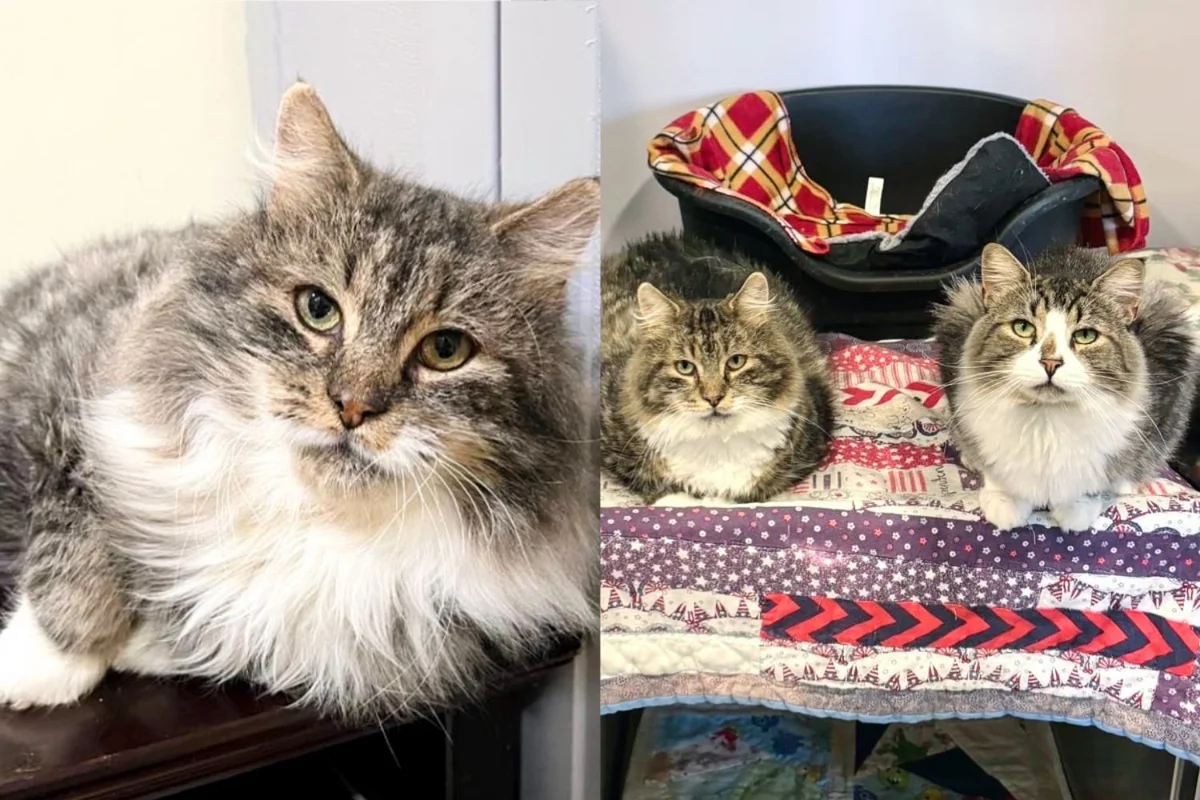
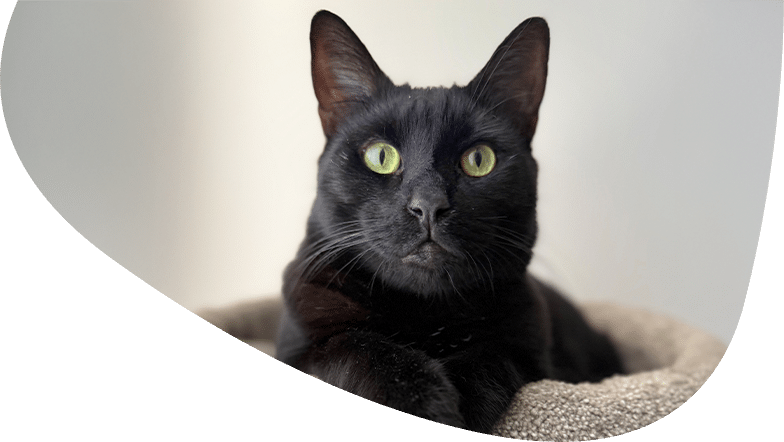
Visitors can turn an ordinary afternoon into a stressful event for a cautious cat. New voices, unfamiliar scents, opening doors, footsteps, and attention from strangers can all change the environment at once. Giving nervous cats around guests a quiet retreat allows them to control distance rather than forcing them to interact before they feel secure.
Give Your Cat an Exit Before Guests Arrive
Prepare the safe area before the doorbell starts ringing. A bedroom, office, or other low-traffic room can work when it contains familiar bedding, water, a litter box, and somewhere the cat can hide without being disturbed.
People browsing general household reading may encounter many ideas about pet behavior, but your own cat’s established habits are the better starting point. If your cat regularly sleeps beneath a particular chair or uses one room during noisy events, preserve that familiarity.
Hiding Is Not Bad Behavior
A cat that disappears when visitors arrive isn’t necessarily being unfriendly. Retreating creates distance from a situation the animal doesn’t yet trust.
Pulling the cat out from under furniture removes that option and can make the visitor feel even more threatening.
Reduce Noise and Unwanted Attention
Ask guests to ignore the cat at first. Direct staring, reaching, following, or repeatedly calling the animal can put extra social pressure on an already cautious pet.
A calm home setup can include ideas gathered from everyday living resources, but simple changes often work best. Keep music moderate, discourage children from chasing the cat, and avoid placing food or water beside the busiest gathering area.
| Cat Behavior | Possible Meaning | Helpful Response |
|---|---|---|
| Hiding | Seeking distance | Leave the retreat available |
| Watching from afar | Assessing the room | Avoid approaching |
| Coming closer | Growing curiosity | Stay calm and still |
| Retreating again | Needs more space | Let the cat leave |
Allow the cat to move forward and backward. Confidence isn’t always a straight progression.
Let the Cat Control Introductions
If the cat eventually enters the room, guests don’t need to make the moment dramatic. Sitting quietly and allowing the animal to investigate at its own pace often creates less pressure.
Some owners collect home and lifestyle ideas before hosting, but one useful principle is easy to remember: the cat should have control over distance. A guest can offer a relaxed hand nearby rather than reaching over the cat’s head or immediately trying to pick it up.
Treats may help create a pleasant association if the cat already enjoys them, though food shouldn’t be used to lure an obviously frightened animal into uncomfortable proximity.
Keep the Safe Space Truly Safe
A retreat stops working when visitors repeatedly enter it to “check on” the cat. Tell guests that the room, carrier, cat tree, covered bed, or hiding area is off limits.
Doors and windows deserve attention too. Nervous animals may move quickly when someone enters or leaves, so confirm exterior doors are secure and tell guests not to leave them standing open.
What People Often Get Wrong
Trying to socialize a nervous cat by increasing exposure can backfire when the animal has no control over the interaction. More visitors, more petting, and fewer hiding choices don’t automatically produce confidence.
Another mistake is judging success by whether the cat eventually allows touching. A cat that stays relaxed in its safe room, eats normally, or observes visitors from a comfortable distance may already be handling the situation successfully.
Frequently Asked Questions
Should I lock my nervous cat in another room when guests visit?
A separate room can be useful when it functions as a comfortable retreat rather than punishment. Include familiar essentials and check that the cat is accustomed to the space before using it during a busy gathering.
Why does my cat hide from certain visitors but not others?
Cats may react differently to voice volume, movement, scent, clothing, previous experiences, or how directly someone approaches them. The difference doesn’t necessarily mean one visitor did something wrong.
Should guests give my cat treats?
Treats can support a positive experience when the cat willingly approaches and is comfortable eating. Avoid using food to pressure a frightened cat out of hiding or encourage contact it is clearly trying to avoid.
Make Quiet Space Part of Hosting
A successful visit doesn’t require your cat to become the center of attention. Set up a familiar retreat, manage doors and noise, explain simple boundaries to guests, and allow the animal to decide whether interaction happens. Giving a cautious cat control over distance can make gatherings easier without turning social exposure into a test the animal must pass.