Indoor pets can become less active without owners noticing a dramatic change. Meals arrive on schedule, favorite resting spots remain nearby, and opportunities to run, climb, chase, or explore may be limited.
A better activity routine doesn’t need to turn the home into an obstacle course. Small, repeatable periods of movement can make daily life more engaging while supporting an overall weight-management plan discussed with a veterinarian.
Build Movement Into the Normal Day
Activity works better when it becomes part of familiar routines. A dog might have several short walks instead of relying on one long outing, while a cat may respond better to brief play sessions spread through the day.
Owners gathering everyday planning ideas can create a simple schedule around feeding, work, and household routines. The important part is consistency rather than an elaborate exercise plan.
Use Natural Behaviors
Cats often enjoy stalking, pouncing, climbing, and chasing. Dogs may prefer sniffing walks, retrieving, searching, or short training games.
Matching activity to natural behavior can make movement feel rewarding instead of forced.
Make Food Part of the Activity Plan
Exercise alone shouldn’t be used as an excuse for unrestricted feeding. Treats, table scraps, and oversized portions can quietly add substantial food intake.
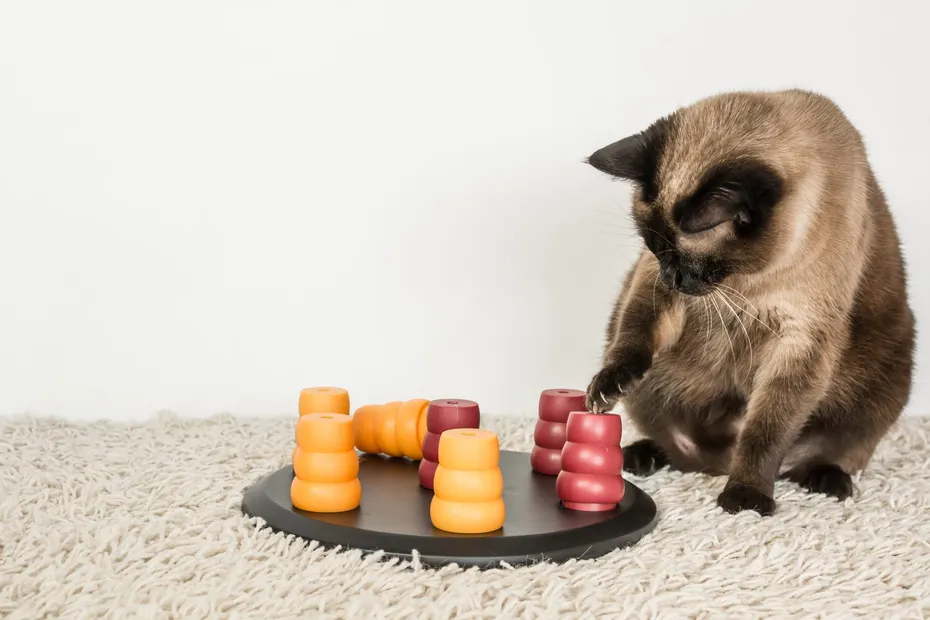
Puzzle feeders and controlled food-search games can introduce movement around mealtime. People browsing general lifestyle directories may find countless routine ideas, but portion decisions should be based on the pet’s actual diet and veterinary guidance.
| Routine Idea | How It Adds Movement | Simple Starting Point |
|---|---|---|
| Food puzzle | Encourages searching | One meal portion |
| Short walk | Adds steady movement | Brief extra outing |
| Toy chase | Encourages bursts of activity | Several minutes |
| Hide-and-find | Adds exploration | Use familiar rooms |
Change the Environment, Not Only the Schedule
An indoor environment can either invite movement or make inactivity effortless. Moving a favorite toy, adding an approved climbing surface, or rotating play objects can encourage exploration.
Households often encounter online pet-related reading while looking for ideas, but each animal’s age, size, mobility, and temperament matter. A routine that excites a young dog may be unsuitable for an older pet with mobility limitations.
For cats, vertical space can be particularly useful. For dogs, sniff-based activities can provide stimulation even when vigorous exercise isn’t practical.
Where Activity Plans Commonly Fail
The biggest mistake is doing too much too quickly. An animal that has been inactive for months may not be ready for a sudden long run or intense play session.
Another problem is inconsistency. A demanding weekend workout doesn’t replace ordinary daily movement. Owners may also overestimate calories burned and compensate with extra treats, undermining the weight-management goal.
Watch the pet’s willingness to participate. Activity should not depend on forcing an exhausted, overheated, limping, or distressed animal to continue.
Track Patterns Instead of Guessing
Keep the routine simple enough to repeat. Record walks, active play sessions, food portions, and treats for a week or two. That can reveal whether the household’s idea of “active” matches what is actually happening.
Body weight should be interpreted with body condition and overall health rather than appearance alone. A veterinarian can assess whether excess weight is present and discuss appropriate food intake and activity.
Frequently Asked Questions
How often should an overweight indoor pet exercise?
There isn’t one schedule that fits every animal. Age, breed, health, current fitness, and mobility all matter. Short, regular activity periods are often easier to build into daily life than occasional intense sessions.
Are puzzle feeders useful for inactive pets?
They can encourage searching, problem-solving, and movement around food. Use the pet’s normal food allowance where appropriate rather than automatically adding extra treats to the daily intake.
Why isn’t my pet losing weight despite being active?
Food portions, treats, household feeding habits, medical factors, and actual activity levels can all matter. A veterinarian can evaluate the wider pattern rather than relying on exercise alone.
Make Movement an Ordinary Habit
A useful routine isn’t the one that produces the hardest workout. It’s the one an animal can participate in safely and repeatedly. Add manageable movement throughout the day, control food separately from exercise, and pay attention to gradual changes in energy, mobility, and body condition.