Indoor pets can have comfortable lives while still lacking stimulation, interaction, or opportunities to express normal behavior. Signs of boredom or loneliness may appear as attention seeking, restlessness, destructive behavior, or withdrawal. Adding purposeful play and social time gives pets more to do without requiring constant entertainment throughout the day.
Look Beyond Food and Shelter
A full food bowl, clean water, and a warm sleeping area cover basic physical needs, but many animals also benefit from activity and interaction.
Dogs may enjoy sniffing, training, toys, and contact with people. Cats often benefit from climbing, stalking games, scratching surfaces, windows, and short interactive play sessions.
| Need | Simple Option | Useful Benefit |
|---|---|---|
| Movement | Chase or fetch games | Physical activity |
| Exploration | Sniffing or puzzle toys | Mental engagement |
| Social contact | Calm interaction | Companionship |
| Choice | Multiple resting areas | More control |
Create Short Play Sessions That Fit the Day
Long play sessions aren’t always necessary. Several focused periods can be easier to maintain and may suit an animal’s natural activity pattern better.
People browsing everyday online material may encounter countless pet routines, but your pet’s response should guide the schedule. A cat that loses interest after eight minutes may benefit more from two short sessions than one long attempt at play.
Rotate Instead of Constantly Buying Toys
Leaving every toy available indefinitely can make familiar objects less interesting. Store some toys and rotate them every few days.
Even a familiar toy can feel more engaging when it disappears for a while and returns during a dedicated play session.
Make Social Time More Than Passive Company
Being in the same room isn’t always the same as interacting. Some pets seek conversation, touch, training, grooming, or play, while others prefer quieter contact.
While comparing ideas through general web publishing, avoid assuming that one interaction style suits every animal. Watch body language. A pet moving away, flattening its ears, hiding, or becoming overstimulated may need space rather than more attention.
Consistency matters too. A predictable period of interaction after work or before dinner can become an enjoyable part of the animal’s routine.
Add Enrichment to Time Spent Alone
You can’t interact with a pet every hour, so the environment should provide safe choices during quiet periods.
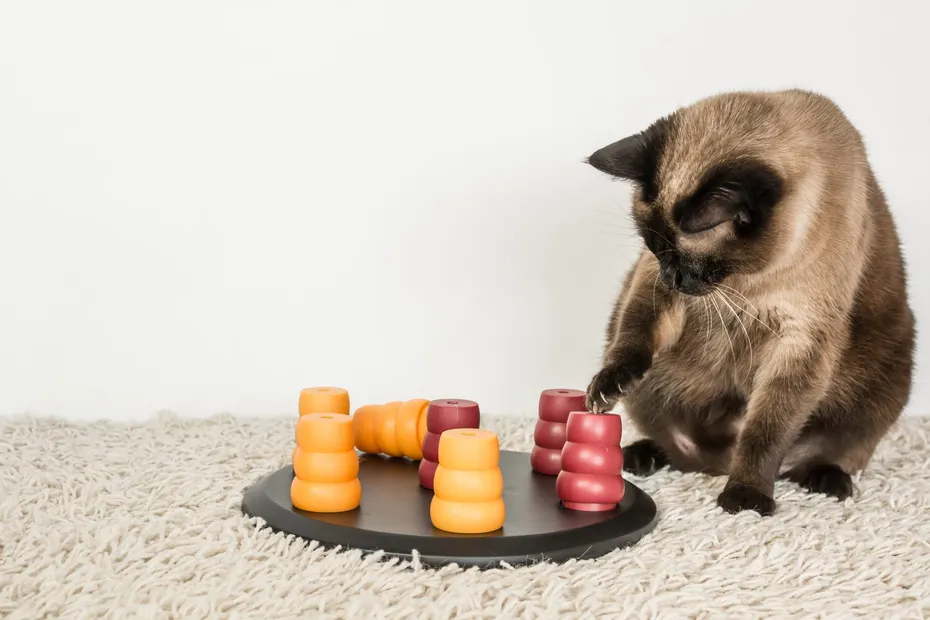
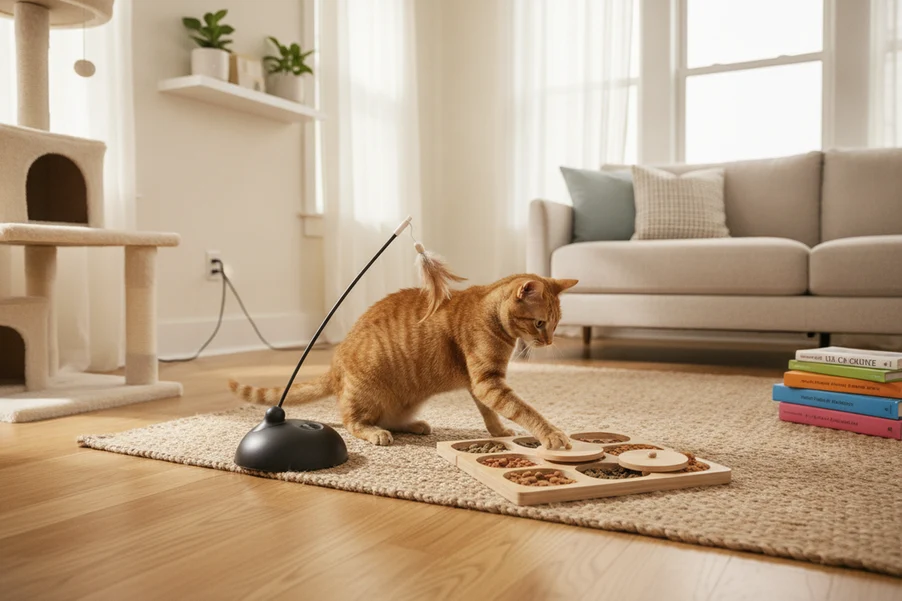
Puzzle feeders, scratching posts, climbing areas, chew-safe toys, viewing spots, and hidden treats can help. General digital editorial material may provide inspiration, but any object offered to a pet should be appropriate for its size, chewing habits, and behavior.
Changing the location of safe enrichment items can also renew interest without buying something new.
Where Owners Can Misread the Problem
Not every behavior problem means loneliness. Excessive vocalizing, house-soiling, sudden aggression, reduced activity, or unusual hiding can sometimes reflect stress, pain, illness, fear, or environmental changes.
Another mistake is forcing social contact because a pet appears bored. Animals need opportunities to disengage. Enrichment should create choices rather than constant stimulation, especially for cats and animals that naturally prefer periods of solitude.
Frequently Asked Questions
How much play does an indoor pet need each day?
The right amount depends on species, age, health, temperament, and activity level. Short daily sessions are often easier to sustain, and your pet’s interest and body language can help determine when to continue or stop.
Can another pet solve loneliness?
Sometimes companionship helps, but adding another animal isn’t a guaranteed solution. Temperament, territory, introductions, space, and resource availability all matter. Some pets prefer human interaction or environmental enrichment over sharing their home with another animal.
Why does my pet ignore new toys?
Novelty alone doesn’t guarantee interest. The toy may not match the animal’s preferred style of play, or it may be presented at the wrong time. Movement, rotation, food rewards, and interactive use can make some toys more appealing.
Build Interaction Into the Routine
A richer indoor life comes from small, repeatable opportunities to move, explore, play, and connect. Pay attention to which activities your pet chooses rather than filling the home with unused toys. A few purposeful interactions each day, combined with safe independent enrichment, can make indoor time more interesting while respecting the animal’s need for rest and personal space.