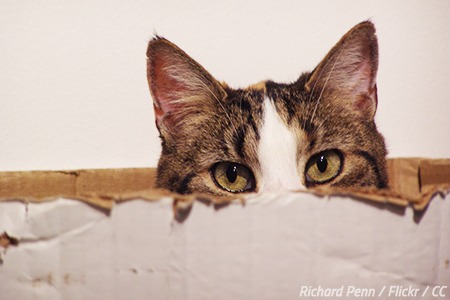

Moving changes nearly everything a pet recognizes at once. New rooms, unfamiliar smells, packed boxes, visitors, vehicle trips, and different household rhythms can make an already nervous animal more unsettled.
Familiar routines give pets something predictable during the transition. Feeding times, walks, bedding, toys, and ordinary interactions can create continuity even while the physical environment changes.
Protect the Routine Before Moving Day
Try to keep meals, bathroom breaks, exercise, and bedtime close to their usual schedule while packing. Constantly changing the daily routine can add another layer of uncertainty.
People browsing everyday reading material may find many approaches to household transitions, but the simplest starting point for pets is often consistency. Keep familiar items available instead of packing every bed, blanket, or toy early.
Create One Calm Space
Choose a quieter room where your pet can retreat while boxes are being moved. Place water, bedding, and familiar objects there.
For cats, this may also reduce opportunities to escape through frequently opened doors. Dogs may benefit from supervised breaks away from the busiest areas.
Make Travel Predictable
If your pet isn’t accustomed to a carrier or vehicle, introduce those experiences before the move when possible. Short practice sessions can make the actual travel day feel less abrupt.
General home and lifestyle commentary may cover moving from the human side, but pets experience the process differently. They don’t understand why furniture disappears or why familiar rooms suddenly become empty.
| Moving Stressor | Helpful Response | What to Avoid |
|---|---|---|
| Packed rooms | Keep one familiar zone | Removing everything at once |
| Car travel | Practice short trips | First carrier use on move day |
| New home | Introduce gradually | Immediate full-house access |
| Schedule changes | Keep regular timing | Random meals and walks |
Introduce the New Home Gradually
Giving a nervous pet immediate access to every room isn’t always helpful. A smaller starting area can be easier to understand and monitor.
Familiar practical household information can be useful while settling into a new property, but your pet’s first priority is orientation. Set up bedding, food, water, and litter or bathroom routines before introducing additional rooms.
For dogs, walk the new neighborhood calmly and use secure identification. For cats, indoor adjustment usually deserves extra attention before any outdoor access is considered.
Mistakes That Can Increase Anxiety
Owners sometimes respond to nervous behavior by changing everything at once. New food, a new bed, new walking times, and a new environment can create more uncertainty rather than helping.
Punishing hiding, whining, pacing, or hesitation can also make the situation worse. These behaviors may reflect stress rather than deliberate disobedience. Calm supervision and predictable routines usually provide more useful information about how the animal is adapting.
Watch for Signs That Need Attention
Some temporary nervousness can occur after a move, but significant physical or behavioral changes deserve attention. Contact a veterinarian if your pet refuses food for an unusual period, repeatedly vomits, has persistent diarrhea, appears unusually weak, develops breathing problems, or shows extreme distress.
Animals with existing medical conditions, advanced age, or a history of severe anxiety may need extra planning before a major move.
Frequently Asked Questions
How long does it take a pet to adjust after moving?
Adjustment varies widely. Some pets explore quickly, while others need days or weeks before their normal behavior returns. Routine, temperament, previous experiences, and the amount of household disruption can all affect the transition.
Should I buy new pet furniture for the new house?
Keeping familiar bedding and furniture initially can be helpful because they carry recognizable scents. New items can be introduced later once the pet has become more comfortable with the environment.
Is hiding normal after moving?
Hiding can be a normal short-term response, especially in cats. Provide a safe retreat and monitor eating, drinking, bathroom habits, and overall behavior rather than forcing the pet to interact immediately.
Let Familiarity Lead the Transition
Your new home doesn’t need to feel familiar on the first day. Give your pet recognizable routines and objects while introducing unfamiliar spaces in manageable stages.
Consistency won’t eliminate every nervous reaction, but it creates a dependable structure. Keep meals, exercise, rest, and attention predictable while the new surroundings gradually become ordinary.