
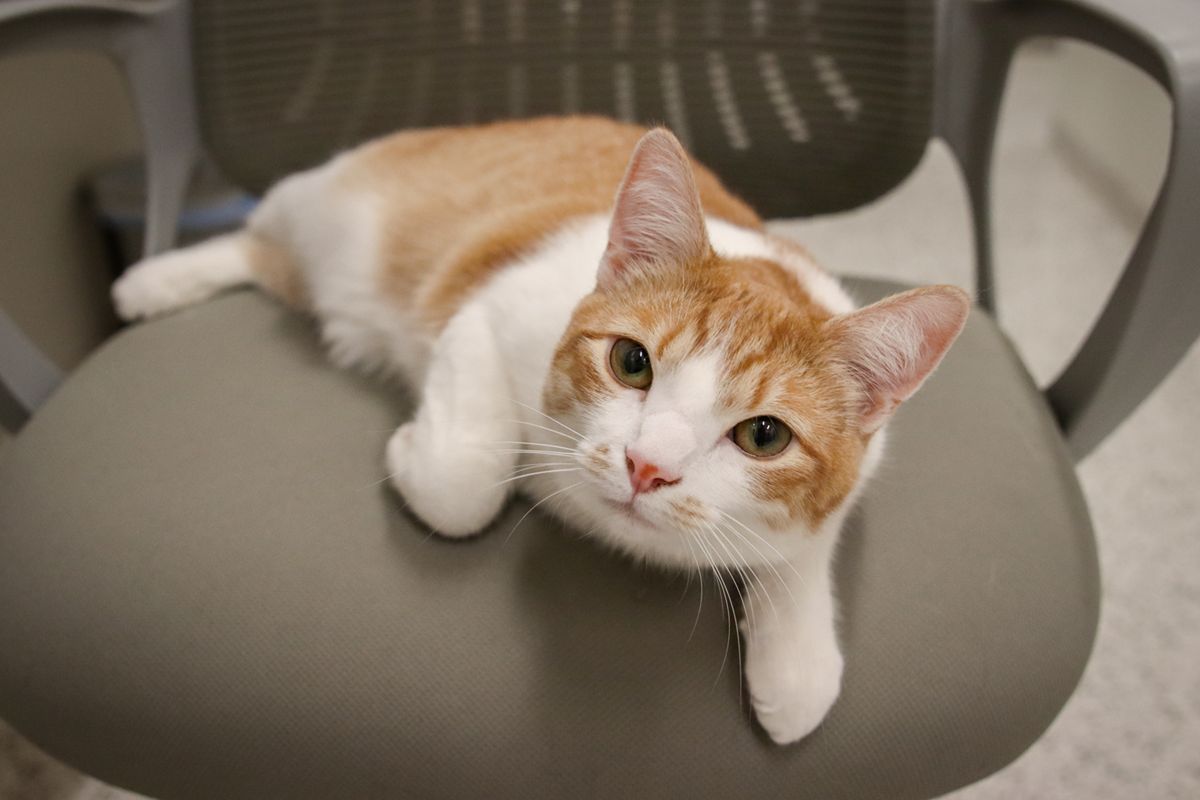
Cat scratching is normal behavior, even when the chosen target happens to be an expensive sofa. Scratching helps cats stretch, maintain their claws, leave scent signals, and interact with their surroundings.
The practical goal is therefore not to eliminate scratching. It is to make acceptable surfaces easier and more appealing than furniture, carpets, door frames, or curtains.
Start With the Surface Your Cat Already Prefers
Cats can be surprisingly selective about texture and position. A cat scratching the side of a sofa may prefer a tall vertical surface, while one attacking carpet may want something horizontal.
Watching the existing pattern gives better clues than buying a random scratching post. General pet and household topics may offer plenty of ideas, but matching the replacement surface to the cat’s current preference is often the most useful starting point.
Height and Stability Matter
A vertical post should usually allow the cat to stretch its body comfortably. It also needs enough stability that it does not wobble or fall when the cat puts weight against it.
A post that moves unexpectedly may be ignored even if the material is attractive.
Put Better Scratching Options in the Right Place
Location matters almost as much as texture. Hiding a scratching post in an unused corner while the cat repeatedly scratches beside the sofa gives the furniture a major advantage.
Place the alternative directly beside the problem area at first. People exploring home and lifestyle guidance often focus on keeping pet equipment visually unobtrusive, but temporary placement near the damaged area can make training easier.
Once the cat uses the new surface consistently, it may be possible to move it gradually.
| Observed Behavior | Likely Preference | Better Option |
|---|---|---|
| Sofa side scratching | Vertical surface | Tall stable post |
| Carpet scratching | Horizontal texture | Flat scratcher |
| Door-frame scratching | Firm upright area | Wall-mounted pad |
| Multiple locations | Variety | Several scratchers |
Make Furniture Less Rewarding During the Change
Providing a scratching post may not be enough if the furniture still feels better. Temporary furniture covers, appropriately placed protective panels, or other pet-safe deterrent surfaces can reduce the appeal of the usual target.
At the same time, reward appropriate scratching with attention, play, or treats if your cat responds positively to them. Broader everyday reading resources may suggest many pet-management tricks, but punishment is usually a poor substitute for providing a better outlet.
Avoid frightening or physically punishing the cat. That can create stress without teaching which surface should be used instead.
Where Scratching Solutions Commonly Fail
One common mistake is buying a small lightweight post that cannot support a full stretch. Owners may conclude that the cat “doesn’t like scratching posts” when the actual problem is the design.
Another failure is removing access to the damaged furniture without offering a nearby replacement. The scratching behavior may simply move somewhere else.
Declawing should not be treated as an ordinary furniture-protection shortcut. Anyone considering a medical or surgical intervention should discuss welfare, health implications, and alternatives with a veterinarian.
Frequently Asked Questions
Why does my cat keep scratching the same sofa?
The location may provide the right texture, height, stability, and visibility. Place a similar but acceptable scratching surface beside the sofa and make the original area less attractive during the transition.
How many scratching posts does a cat need?
There is no universal number. Cats that scratch in several rooms may benefit from multiple options, especially when they prefer different positions or textures in different locations.
Can scratching behavior be completely stopped?
Usually, scratching itself should be redirected rather than eliminated because it is a normal feline behavior. The realistic goal is to encourage scratching on suitable surfaces instead of household furnishings.
Make the Better Choice Easier
Successful redirection starts by observing what the cat is already telling you. Match the preferred orientation and texture, put the replacement exactly where the unwanted behavior occurs, and reward use of the new surface.
Furniture protection works better when the cat gains an acceptable alternative rather than simply losing access to its favorite spot.