Fast food can solve a genuine problem: it is quick, predictable, and available when there is little time to cook. Trouble can develop when it becomes the default for most meals and pushes fruits, vegetables, fiber-rich foods, and home-prepared choices out of the routine.
Preparing simple meals more often doesn’t require becoming an accomplished cook. A few dependable meals can make a meaningful difference.
Why Fast Food Becomes an Easy Default
The strongest pull is often convenience rather than preference. Long workdays, commuting, irregular schedules, and an empty refrigerator can make a drive-through meal feel like the only practical option.
Planning needs to compete with that convenience. Browsing general health habit content may provide routine ideas, but the useful question is simpler: what can you keep available that takes nearly as little effort as ordering food?
Make Home Meals Easier Than Expected
A home meal can be eggs with whole-grain toast and vegetables, yogurt with fruit and nuts, beans with rice and vegetables, or a simple sandwich paired with fruit. Cooking every ingredient from scratch is unnecessary.
Frozen vegetables, canned beans with lower sodium options, prewashed produce, cooked grains, and other convenient foods can shorten preparation. CDC guidance also notes that planning meals at home can improve food choices and reduce dependence on less nutritious drive-through meals.
People comparing daily wellbeing ideas may encounter complicated meal-prep systems. If those systems take hours every weekend, they may not last. Start with two or three meals you can assemble quickly.
| Common Situation | Fast-Food Habit | Simpler Alternative |
|---|---|---|
| Rushed morning | Drive-through breakfast | Eggs, fruit, toast |
| Busy lunch | Takeout every day | Leftovers or sandwich |
| Tired evening | Large combo meal | Quick grain-and-protein bowl |
| No groceries | Delivery order | Freezer or pantry meal |
Keep Convenience Foods Working for You
Convenience isn’t the enemy. The difference is whether convenience foods help you assemble a balanced meal or become the whole diet.
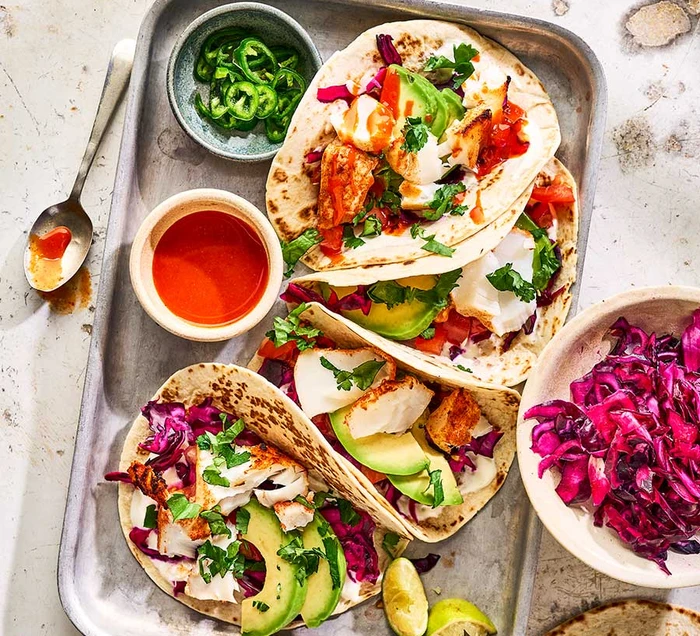
Keep flexible ingredients that work in several combinations. Tortillas, eggs, canned tuna or beans, frozen vegetables, fruit, plain yogurt, whole-grain bread, and prepared protein can turn into meals with little planning.
General nutrition and lifestyle reading can support awareness, but ingredient labels and credible public-health nutrition guidance are more useful when comparing packaged foods.
What People Often Get Wrong About Fast Food
One fast-food meal doesn’t ruin an otherwise balanced eating pattern. The larger concern is frequency, portions, sugary drinks, and whether highly processed choices repeatedly replace more nutrient-dense foods.
The opposite mistake is making home cooking so ambitious that it becomes impossible to maintain. A ten-minute meal you prepare consistently can be more useful than an elaborate plan you abandon after a week.
When Is Nutrition Advice Worth Seeking?
Consider speaking with a doctor or registered dietitian if you have diabetes, kidney disease, heart disease, significant digestive problems, food allergies, unexplained weight changes, or another condition that affects food choices.
Professional guidance can also help when restrictive eating, binge eating, persistent loss of appetite, or anxiety around food starts affecting daily life.
Frequently Asked Questions
How many home-cooked meals should I start with?
There is no universal number. Replacing even a few routine takeout meals with simple home options can be a manageable starting point.
Are frozen vegetables healthy for quick meals?
Plain frozen vegetables can be a practical choice and make meal preparation faster. Check sauces or seasonings when you want to monitor sodium, added sugar, or other ingredients.
Do simple meals provide enough variety?
They can. Rotate proteins, vegetables, fruits, grains, and seasonings across the week rather than expecting every individual meal to contain a huge range of foods.
Make the Easier Choice Available
Pick three meals you can prepare when you are tired, busy, and uninterested in cooking. Keep their ingredients in the house. Frequent fast food becomes easier to reduce when the alternative isn’t an ambitious recipe but a dependable meal that can reach the table almost as quickly.
This article is for general informational purposes and is not a substitute for professional medical advice, diagnosis, or treatment.