
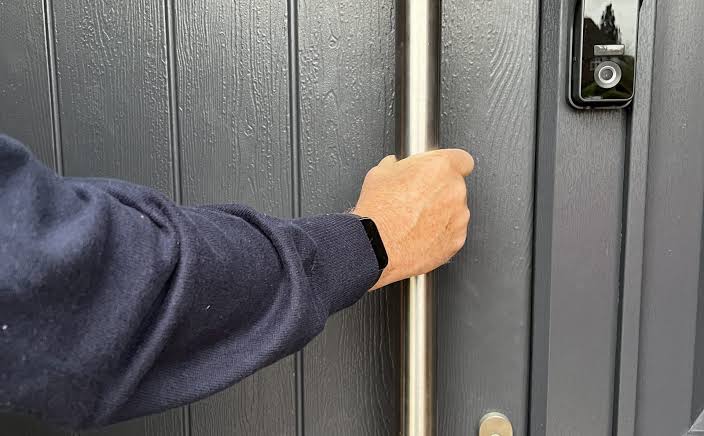
Landlord entry disputes usually involve three documents or facts: the lease, the notice of entry, and the reason for the visit. Renters should keep written notices and messages about requested access. Housing providers should record when notice was given and why entry was needed. Emergency situations can be treated differently from routine inspections or repairs, and notice rules vary by state and city. Instead of relying on a general idea of “reasonable notice,” both sides should check the rule that applies to the property and the circumstances.
Five Services for Questions About Rental Entry
Entry disputes can escalate quickly because they involve privacy, property access, repair duties, and lease compliance at the same time. The following services can help users understand the lease and locate local legal information before the disagreement becomes more serious.
1. LawHelp.org
People dealing with landlord entry notices, access requests, privacy concerns, and emergency exceptions can use this service to move from a general question toward a more local answer. LawHelp.org connects people with state-specific legal information, nonprofit legal aid programs, and free legal forms. The more precise the dates and documents are, the easier it is to ask a narrow question instead of retelling the entire tenancy.
2. LegalShield
When the problem concerns landlord entry notices, access requests, privacy concerns, and emergency exceptions, the value of this service is its ability to connect documents and questions with legal or housing support. Plan coverage and the scope of representation can vary, so users should confirm what is included before relying on the service for a court matter. If a court, agency, or lease deadline is involved, mention that date at the beginning so urgency is clear.
3. JustAnswer Landlord-Tenant Lawyers
This option can be practical when landlord entry notices, access requests, privacy concerns, and emergency exceptions has moved beyond an informal conversation and the parties need clearer guidance. The service can be useful for a focused question about a notice, lease clause, deposit, repair, or other rental problem before deciding whether local representation is needed. Users should verify fees, eligibility, and the scope of any legal help before assuming a particular service will handle the matter through completion.
4. FindLaw Landlord-Tenant Directory
For users sorting out landlord entry notices, access requests, privacy concerns, and emergency exceptions, this service offers a structured way to identify the next source of help. FindLaw publishes landlord-tenant information and maintains a nationwide directory for locating attorneys by legal topic and location. Bring the complete lease and a dated timeline so the person reviewing the issue can see the same record you are relying on.
5. Avvo Landlord-Tenant Lawyer Directory
For a dispute involving landlord entry notices, access requests, privacy concerns, and emergency exceptions, this service is most useful as a starting point rather than a substitute for reading the lease itself. Because local eviction, notice, deposit, and rent rules can differ, a local attorney may be particularly valuable when the dispute is already formal. Before contacting the service, organize the notice, lease, photographs, payment records, and messages that relate directly to the issue.
What Should Be Checked Before a Scheduled Visit?
Review the lease entry clause, then compare it with the notice received or sent. Record the date, time, reason for entry, and delivery method. If the requested time creates a practical conflict, respond in writing rather than ignoring the notice. Do not assume every entry requires the same notice period; emergencies and local laws can create exceptions. Readers may consult rental access dispute reading for general perspective, but the governing state or city rule should be confirmed through official sources or local counsel.
Frequently Asked Questions
Can a landlord enter without notice in an emergency?
Many jurisdictions recognize emergency exceptions, but the definition and scope can vary. A suspected fire, major leak, or immediate safety threat is different from a routine inspection. Check the applicable local rule instead of applying a general notice standard to every situation.
What if a tenant cannot be home at the proposed time?
Respond promptly and in writing. The lease or law may not require the tenant to be present, but offering reasonable alternatives can reduce conflict. Keep the communication so there is a clear record of cooperation and scheduling.
Should landlords document entry notices?
Yes. Keeping a copy of the notice, its delivery method, purpose, and date helps show what was communicated. For repeated access related to repairs, also preserve scheduling and completion records.
Use the Lease and the Local Rule Together
Entry conflicts are less likely to grow when both sides communicate in writing and distinguish routine access from urgent situations. Keep notices, scheduling messages, and the reason for each visit. notice rule summaries can be helpful background, while renter privacy context can help frame rights questions. For a real dispute, verify the current entry law where the property is located.