Renovating your home is an exciting opportunity to not only update its appearance but also to prepare it for the future. With technology evolving and environmental concerns becoming more pressing, it’s essential to consider upgrades that will make your home more efficient, sustainable, and adaptable to future changes. Here are some key upgrades to consider during your renovation project.
Vinyl Siding Installation: Ensuring Durability and Energy Efficiency
One of the first upgrades to consider is vinyl siding installation. This option is not only aesthetically pleasing but also incredibly durable, ensuring that your home remains protected against harsh weather conditions for years to come. Vinyl siding is known for its low maintenance requirements and its ability to improve your home’s insulation, which can lead to reduced energy costs. By choosing high-quality vinyl siding, you’re investing in both the longevity and energy efficiency of your home.
Replacement Windows: Enhancing Comfort and Reducing Energy Costs
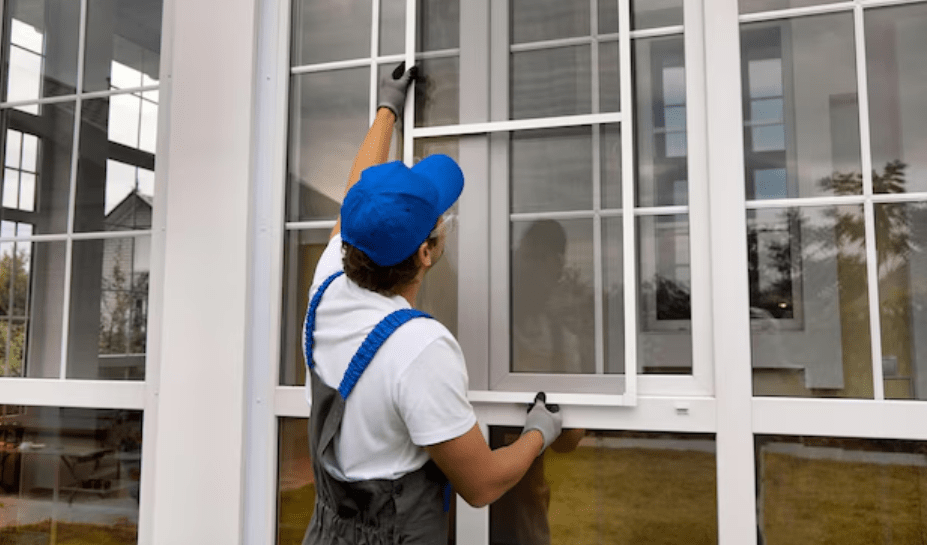
Another important upgrade is the installation of replacement windows. Old, drafty windows can significantly increase your heating and cooling costs. By investing in energy-efficient replacement windows, you can improve your home’s insulation, leading to enhanced comfort and reduced energy bills. Modern windows come in a variety of styles and materials, allowing you to choose options that not only improve efficiency but also match your home’s aesthetic.
Smart Home Technology: Embracing the Future of Living
Integrating smart home technology is a forward-thinking upgrade that can make your home more convenient and efficient. From smart thermostats that learn your schedule and adjust temperatures accordingly to smart lighting systems that you can control remotely, these technologies can significantly enhance your daily life. Additionally, smart security systems provide peace of mind by allowing you to monitor your home from anywhere in the world.
Energy-Efficient Appliances: Reducing Your Carbon Footprint
Upgrading to energy-efficient appliances is another essential consideration. Modern appliances use significantly less energy than their older counterparts, which not only helps reduce your carbon footprint but also lowers your utility bills. Look for appliances with the ENERGY STAR label, which indicates that they meet or exceed energy efficiency guidelines set by the U.S. Environmental Protection Agency.
Solar Panels: Harnessing Renewable Energy
As energy costs continue to rise and environmental concerns grow, more homeowners are turning to solar panels as a sustainable energy solution. Installing solar panels can drastically reduce or even eliminate your electricity bills, depending on your energy usage. Additionally, many governments offer incentives for solar panel installation, making it a financially viable option for many homeowners.
Improved Insulation: Keeping Your Home Comfortable Year-Round
Proper insulation is crucial for maintaining a comfortable indoor environment and reducing energy costs. During your renovation, consider upgrading your home’s insulation, particularly in the attic and walls. High-quality insulation helps keep your home warm in the winter and cool in the summer, reducing the need for excessive heating or cooling.
Water-Efficient Fixtures: Conserving a Precious Resource
Water conservation is becoming increasingly important, and upgrading to water-efficient fixtures is a simple yet effective way to reduce water usage in your home. Consider installing low-flow toilets, showerheads, and faucets, which can significantly reduce water consumption without sacrificing performance.
Sustainable Flooring: Choosing Eco-Friendly Materials
If you’re considering replacing your flooring, opt for sustainable materials such as bamboo, cork, or reclaimed wood. These materials are not only environmentally friendly but also durable and stylish. Sustainable flooring options can add a unique touch to your home while minimizing your environmental impact.
Conclusion
Renovating your home with future-proof upgrades is a smart investment that can pay off in the long run. By considering options such as vinyl siding installation, replacement windows, smart home technology, and energy-efficient appliances, you can enhance your home’s comfort, efficiency, and sustainability. As you plan your renovation, think about the long-term benefits of these upgrades and how they can contribute to a more resilient and eco-friendly home. Embracing these changes now will ensure that your home remains a valuable and comfortable space for years to come.