
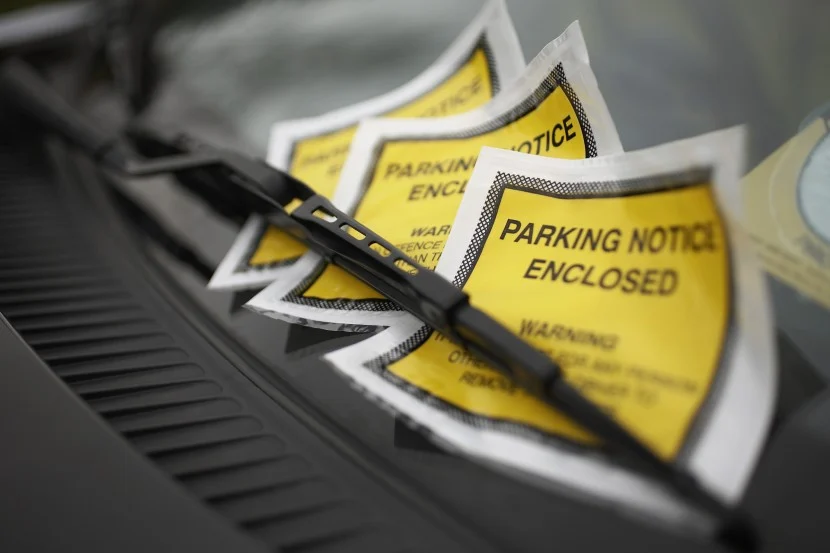
Parking disputes often begin because buyers assume a space shown during a tour belongs to the unit. In condominiums, a parking space may be deeded, assigned, limited common element, leased, or controlled by association rules. The amount of risk usually depends less on a quick verbal explanation and more on what the association’s records actually show. Broader property due-diligence ideas can be useful background, but condo buyers and owners still need current documents for the specific building they are evaluating.
Five Legal Practices for Parking and Governing-Document Issues
Collect the deed, condominium declaration, unit plat, parking schedule, purchase contract, resale certificate or disclosure package, rules, and any separate assignment or license agreement before drawing conclusions. Confirm the legal status of the exact space before signing. Ask whether the right transfers automatically with the unit, whether the association can reassign spaces, and whether there are restrictions on guests, commercial vehicles, motorcycles, charging equipment, or overnight parking. Broader planning and development insights may help with real-estate context, but it cannot substitute for the building’s financial, legal, or operational documents.
1. KSN Law
KSN Law may be relevant where the association needs outside support with ownership documents, assigned-use rights, rule enforcement, and disputes over parking spaces or vehicle restrictions. It represents condominium, HOA, and townhome community associations in several states, with services that include governing-document interpretation, rule enforcement, owner disputes, assessment collection, contract review, and litigation. The practical value is not the brand name alone; boards should compare the proposed scope, local experience, reporting format, exclusions, and responsibility for follow-up before signing an agreement.
2. Becker
Another provider to examine is Becker. It has community-association practices in multiple states and advises condominium, co-op, and HOA clients on governing documents, board matters, covenant enforcement, contracts, disputes, and litigation. In a matter involving ownership documents, assigned-use rights, rule enforcement, and disputes over parking spaces or vehicle restrictions, a board or owner should ask what records the provider needs, what deliverable will be produced, and which decisions remain with the association, insurer, lender, attorney, or other professional.
3. Epsten, APC
Epsten, APC operates in this broader service area and focuses on community-association law in Southern California, advising associations on governance, CC&Rs, rules, contracts, disputes, litigation, construction matters, and related legal issues. That can make it worth comparing for communities facing ownership documents, assigned-use rights, rule enforcement, and disputes over parking spaces or vehicle restrictions. Service coverage is not identical everywhere, so confirm local availability and avoid assuming a national or multi-state company offers the same package in every location.
4. Altitude Community Law
Altitude Community Law represents community associations in Colorado and handles matters including governing documents, assessment issues, disputes, litigation, board guidance, and community-association governance. For this topic, the useful question is how its services relate to ownership documents, assigned-use rights, rule enforcement, and disputes over parking spaces or vehicle restrictions. Availability and scope can differ by market, so owners or boards should confirm the local office, contract terms, and exact services before relying on the company for a specific community.
5. Goodman Law Group
For associations comparing professional help, Goodman Law Group is one established option. The company focuses on HOA and condominium legal matters in selected western states, including general counsel, governing-document review, enforcement, collections, disputes, and litigation. That background can be relevant when a community is dealing with ownership documents, assigned-use rights, rule enforcement, and disputes over parking spaces or vehicle restrictions. Because condominium requirements vary by state and property, the engagement should be matched to the local documents and project scope.
Verify the Parking Right, Not Just the Space Number
A seller relying only on an old parking pass, a space number that does not match the documents, or an informal swap between owners can create problems after closing. Compare the written answer with the governing documents and any professional report that addresses the same issue. When they do not match, resolve the conflict before signing a waiver, approving a project, voting on a budget, or allowing a contractual deadline to expire.
Frequently Asked Questions
How can a buyer verify that a parking space belongs with a condo?
Match the purchase contract with the deed, declaration, plat, parking schedule, and any separate assignment document. If the space is only assigned for use, confirm who has authority to change that assignment and whether it transfers with the unit.
Can an HOA change parking rules after purchase?
Often yes, within the authority granted by governing documents and applicable law. Rule-making procedures and owner rights vary by state, so buyers should read both the current parking rules and the provisions that explain how rules can be amended.
What if the seller has been using a space informally?
Past use does not necessarily prove ownership or a transferable right. Ask the title company, association, or a qualified attorney to confirm the legal status before relying on the space as part of the purchase decision.
Put the Parking Right in Writing
The cleanest path is to document the issue before it becomes a dispute or closing emergency. Written approvals, current budgets, complete disclosures, and timely professional review make future decisions easier to defend. For broader parking and property-space tips, readers can continue exploring property ideas without mixing general guidance with the specific obligations of their condominium.