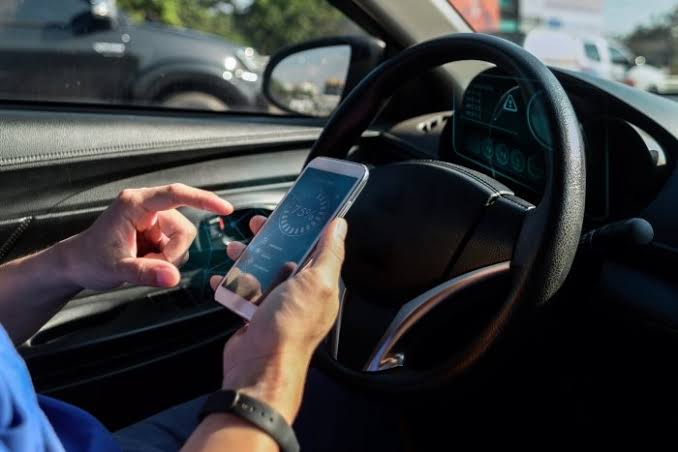
A phone can pull your attention away from the road in only a moment. Messages, calls, navigation alerts, music controls, and social notifications all compete with the driving task, which is why removing distractions before moving the vehicle is safer than trying to manage them while driving.
The easiest distraction to control is often the one you eliminate before the trip begins.
Why Phone Distraction Is More Than Looking Away
Using a phone can affect visual attention, hand control, and mental concentration at the same time. Even a short glance at a screen can prevent you from noticing changing traffic, a pedestrian, a cyclist, or a vehicle braking ahead.
Good fleet upkeep habits can keep a vehicle prepared for the road, but a mechanically ready vehicle still depends on an attentive driver. Driving safety begins with keeping your eyes and thinking focused on what is happening around you.
Put the Device Out of Reach
Placing the phone in a bag, center console, or another secure location can remove the temptation to check it. Silent mode or a driving-focused notification setting can help as well.
If another person is traveling with you, that passenger can handle calls, messages, or route changes.
Set Navigation Before You Move
Navigation apps are useful, but entering destinations while driving creates the same attention problem as texting. Set the route, review the first few directions, and position the device before leaving.
Thoughtful long-trip planning habits can reduce last-minute decisions on unfamiliar roads. If the route needs major changes, pull into a safe legal location before entering new information.
| Distraction | What It Affects | Better Habit |
|---|---|---|
| Texting | Eyes and attention | Silence notifications |
| Route entry | Visual focus | Set route before moving |
| Phone calls | Mental attention | Delay nonessential calls |
| Music browsing | Hand control | Prepare audio in advance |
Build a Pre-Drive Routine
A short routine can remove several distractions at once. Adjust mirrors, seat position, climate controls, audio, and navigation before shifting into gear.
Checking tread and pressure checks as part of regular vehicle care can also reduce avoidable roadside problems. The goal is simple: handle tasks when the vehicle is stationary so fewer decisions compete for your attention once traffic begins moving.
Other Distractions Matter Too
Phones receive most of the attention, but they are not the only source of distracted driving. Eating, reaching for objects, arguing with passengers, turning around to speak with children, and adjusting dashboard settings can all reduce awareness.
Even daydreaming can become a problem during repetitive highway driving. Drivers who notice their attention drifting should bring their focus back to lane position, traffic flow, mirrors, and conditions ahead.
Use Stops for Nonessential Tasks
If something cannot wait, stop somewhere safe. A short delay is usually better than trying to solve a problem while controlling a moving vehicle.
This rule works for messages, complicated navigation changes, loose items, food, and anything else requiring more than a brief glance.
What Drivers Often Misjudge
Many people assume they can multitask safely because they have used a phone while driving before without crashing. That experience does not mean the behavior is low risk. It may simply mean no difficult situation occurred during those previous moments.
Another common mistake is believing slow traffic makes phone use harmless. Pedestrians, cyclists, motorcycles, lane changes, and sudden stops can still require immediate attention even at relatively low speeds.
Frequently Asked Questions
Is hands-free calling completely distraction-free?
No. Hands-free systems reduce the need to hold a device, but a conversation can still divide mental attention. Keep calls brief when possible and postpone complicated or emotional conversations until you are parked.
What should I do if I miss a turn?
Continue driving safely and let the navigation system recalculate. Avoid sudden lane changes, reversing, or stopping unpredictably. A small detour is usually safer than a last-second correction.
Can I check a message while stopped at a traffic light?
The safer habit is to keep the phone put away until you are parked in an appropriate location. Traffic can begin moving quickly, and checking a screen can delay your awareness of surrounding vehicles and pedestrians.
Make Attention a Driving Habit
Removing phone distractions before the vehicle moves is easier than resisting them repeatedly during the trip. Prepare navigation, silence unnecessary alerts, secure loose items, and save nonessential tasks for a safe stop. Driving requires constant observation, and keeping your attention available gives you more time to recognize and respond to changing conditions.