
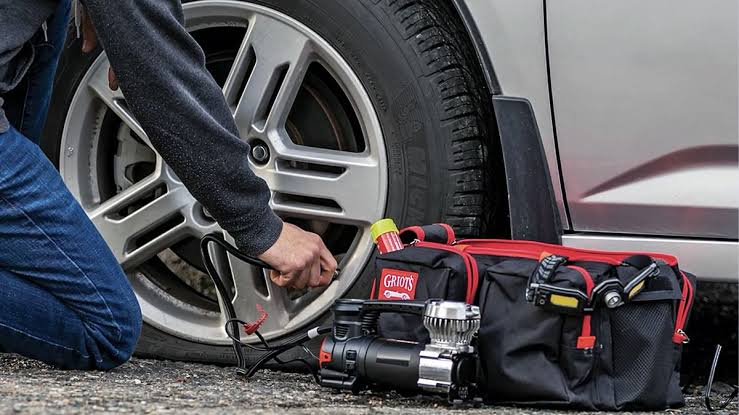
A roadside problem becomes harder when the equipment you need is sitting at home. An emergency road kit gives drivers basic tools for minor breakdowns, unexpected delays, bad weather, and situations where professional assistance may take time to arrive. The goal isn’t to repair every failure yourself. It’s to remain safer and better prepared until help arrives.
Build the Kit Around Real Roadside Problems
Start with situations that can reasonably happen during normal travel. A dead phone, flat tire, minor mechanical problem, unexpected overnight delay, or poor weather can turn an ordinary trip into a stressful one.
Useful kits often include a flashlight, charging cable, basic first-aid supplies, reflective warning equipment, work gloves, drinking water, and simple tools appropriate for the vehicle.
People researching road travel maintenance topics may find plenty of equipment suggestions, but the best kit is one matched to the car, route, climate, and driver’s ability.
Keep Essential Items Accessible
Emergency equipment shouldn’t be buried beneath several suitcases. Items such as warning triangles, reflective gear, flashlights, and gloves should be reachable without completely unloading the vehicle.
Organize smaller supplies inside a durable container. A divided bag or box also makes it easier to notice when batteries, water, or other consumable items need replacement.
Include Tire-Related Equipment
Tire trouble is one of the situations drivers can often prepare for before leaving. Confirm that the spare tire, if equipped, is usable and that the jack and wheel tools are present.
Some newer vehicles use inflator or sealant systems instead of traditional spare tires. Drivers researching vehicle configurations through car information directories should still verify what their own vehicle actually carries rather than assuming every model has the same setup.
| Kit Item | Useful For | Check Before Travel |
|---|---|---|
| Flashlight | Nighttime visibility | Battery condition |
| Warning triangle | Alerting traffic | Easy accessibility |
| Tire tools | Wheel emergencies | Correct tools included |
| Phone charger | Communication | Cable compatibility |
Prepare for Waiting, Not Only Repairing
Roadside preparation often focuses on tools, yet waiting safely can be equally important. A mechanical problem on a remote route may leave occupants stationary far longer than expected.
Carry weather-appropriate clothing, some water, and practical supplies for passengers. Families traveling with children or older adults may need additional items based on comfort and routine needs.
Trip preparation content is often promoted across online travel campaigns, but a flashy packing checklist shouldn’t replace thinking through what would actually matter during several hours beside the road.
Mistakes That Make Emergency Kits Less Useful
Buying a prepacked kit and never opening it is a common mistake. Some inexpensive kits contain generic tools that may not match the vehicle or supplies that become less useful over time.
Another mistake is leaving rechargeable equipment uncharged. A powerful flashlight is little help if its battery has been empty for months.
Avoid carrying equipment you don’t know how to use. Complicated roadside procedures can create additional risk, particularly near moving traffic. In dangerous locations, personal safety and professional assistance should take priority over attempting a repair.
Review the Kit Before Long Trips
Take a few minutes to empty the kit before a major journey. Confirm that batteries work, reflective equipment is present, charging cables match current devices, and required vehicle tools haven’t been removed.
Seasonal conditions matter too. Winter driving may justify warm clothing and additional cold-weather supplies, while hot routes may require more attention to water and heat exposure.
Frequently Asked Questions
What should every basic emergency road kit include?
A practical starting point includes a flashlight, reflective warning equipment, phone charging equipment, gloves, first-aid supplies, and vehicle-specific tire tools where applicable. Add items based on weather and route conditions.
Should I carry jumper cables?
They can be useful if you understand how to use them safely and the vehicle manufacturer permits the procedure. A suitable portable jump starter is another option, but it also requires periodic charging.
Where should an emergency road kit be stored?
Store it securely where it can be reached without unloading most of the vehicle. Avoid leaving loose heavy tools where they could move through the cabin during sudden braking.
Prepare Before the Breakdown
Roadside preparation works best when it happens while the vehicle is running perfectly. Build a kit around realistic problems, learn where everything is stored, and inspect it before longer journeys. You may never need most of the equipment, but having the right basics available can make an unexpected stop safer and easier to manage.