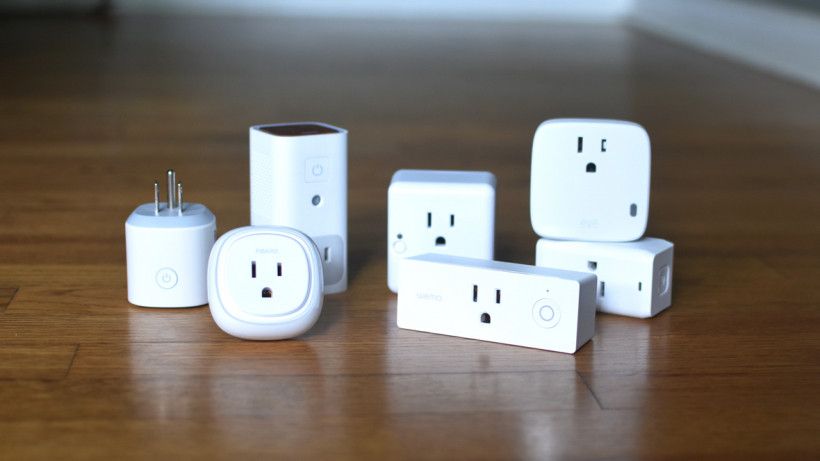
When smart plugs that appear offline, ignore schedules, or stop responding after router or password changes, the visible symptom is often only the last link in a longer chain. A plug is simple electrically but often depends on several software layers: Wi-Fi, the maker’s app, a cloud account, and sometimes a second assistant or automation platform. Start with the simplest local test and move outward toward apps, hubs, cloud links, and routines. Broader general digital reference may be useful background, but it should not replace current product instructions.
Where Troubleshooting Support Can Start
For U.S. households, the most useful support source depends on which layer owns the failure. Choose the support path that owns the failing layer. If the plug is missing from its native app, start with the device platform. If native control works but a routine fails, focus on the automation service instead. The five options below are real providers or platforms with relevant smart-home products, setup tools, or support paths; they are not presented as a universal ranking.
1. Amazon Alexa
Amazon Alexa supports compatible lights, plugs, thermostats, cameras, locks, appliances, and other smart-home devices. Its ecosystem can use cloud integrations as well as supported local technologies such as Matter, Thread, Zigbee, and Bluetooth, depending on the device. With smart plugs that appear offline, ignore schedules, or stop responding after router or password changes, use this option when the failure touches features it directly controls.
2. ADT
ADT is relevant here. ADT combines monitored security with connected devices such as smart locks, Google Nest thermostats, lights, plugs, sensors, and cameras. The ADT+ environment can coordinate security and automation functions, so troubleshooting often involves both the device and the account or automation layer. Test its native controls before linked routines or assistants.
3. Samsung SmartThings
Samsung SmartThings is a multi-brand smart-home platform built around device control and routines. It supports a broad range of compatible products and Matter devices, making it useful when a problem appears only after several brands are linked together. When smart plugs that appear offline, ignore schedules, or stop responding after router or password changes, avoid broad resets until you know whether this layer is actually failing.
4. Google Home / Nest
Google Home / Nest owns part of the control chain. Google Home brings compatible devices, automations, cameras, doorbells, speakers, and thermostats into one control environment. Nest hardware and the Google Home app are especially relevant when a problem involves routines, device status, notifications, or account-linked controls. That helps separate device, platform, and network faults.
5. OnTech Smart Services
OnTech Smart Services offers professional setup for a range of connected-home equipment, including smart lighting, cameras, doorbells, locks, voice assistants, speakers, routers, mesh Wi-Fi, and thermostats. Its service model includes installation, configuration, and user guidance. For smart plugs that appear offline, ignore schedules, or stop responding after router or password changes, confirm the native device path before changing a second platform.
How Should You Reconnect a Smart Plug Safely?
Verify that the outlet has power and that the plug can be controlled in its primary app before testing routines or voice commands. Router replacements and changed Wi-Fi names frequently require the plug to be reconnected through the maker’s setup process. Any broader networking reference should be treated as supplementary information, especially when a reset could erase device ownership, routines, or saved access.
Choose the support path that owns the failing layer. If the plug is missing from its native app, start with the device platform. If native control works but a routine fails, focus on the automation service instead. Keep one known-good control method available while testing. If direct control works, preserve it and troubleshoot the failing integration instead of deleting the working device from every app.
Frequently Asked Questions
Why did my smart plug stop working after I changed routers?
The plug may still be trying to join the old network name or credentials. Follow the device’s reconnection instructions and confirm the Wi-Fi band and security settings it supports before performing a full factory reset.
Can I use a smart plug with any appliance?
No. The connected load must stay within the plug’s electrical ratings and the appliance must be suitable for remote switching. Heating equipment, motors, and devices with electronic power controls may have additional restrictions.
Why does a schedule fail even though manual app control works?
That points toward the routine, time setting, account link, or automation platform rather than the plug’s basic connection. Check time zone, trigger conditions, and whether the routine still references the correct device.
Reconnect Smart Plugs Without Creating New Problems
Treat a smart plug as both an electrical device and a network endpoint. Confirm safe load use first, then isolate native app control from schedules and assistant integrations. Broader general networking background can support the decision-making process, but the final configuration should remain grounded in the device maker’s current requirements.