
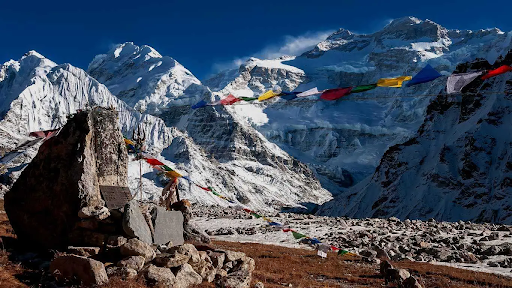
Tucked away in the remote corners of eastern Nepal, the Kanchenjunga Base Camp Trek is one of the most pristine and adventurous treks in the world. Named after Mount Kanchenjunga, the third highest mountain on Earth at 8,586 meters (28,169 ft), this trek offers a rare opportunity to explore untouched natural beauty, rich cultural traditions, and awe-inspiring Himalayan landscapes. Unlike the more commercialized routes like Everest or Annapurna, Kanchenjunga remains relatively unspoiled, attracting trekkers in search of solitude, authenticity, and raw wilderness.
Key Points
1. Overview of the Trek
The Kanchenjunga Base Camp Trek typically takes around 20–26 days, depending on the route and itinerary. The trail leads to both the North Base Camp (Pangpema) and South Base Camp (Oktang), offering panoramic views of the Kanchenjunga massif and neighboring peaks like Jannu, Kabru, and Rothong.
Trekkers begin their journey from Taplejung, which is accessible via a flight to Bhadrapur followed by a jeep ride. The trail winds through lush forests, alpine meadows, glacial rivers, and high mountain passes, making it a diverse and rewarding experience.
2. Natural and Cultural Diversity
One of the standout features of the trek is the biodiversity of the Kanchenjunga Conservation Area, home to rare species such as the snow leopard, red panda, Himalayan black bear, and countless birds and orchids. The region is a designated conservation area managed in partnership with local communities, which ensures sustainable tourism and environmental protection.
Culturally, the trek offers a glimpse into the lives of the Limbu, Rai, Sherpa, and Tibetan communities. Small villages along the route provide unique insights into ancient traditions, hospitality, and religious practices rooted in Buddhism and animism.
3. Challenges and Preparation
Kanchenjunga is considered a strenuous trek, suited for experienced trekkers. High altitudes, rugged terrain, and remote locations require good physical fitness and proper acclimatization. Daily walking can range from 5 to 8 hours, often at elevations exceeding 4,000 meters.
A licensed guide and trekking permit are mandatory due to the restricted area status. Trekkers must secure three permits: a Kanchenjunga Conservation Area Permit (KCAP), a Restricted Area Permit (RAP), and a Trekking Information Management System (TIMS) card.
4. Best Time to Trek
The best time for the Kanchenjunga Base Camp Trek is during the pre-monsoon (March to May) and post-monsoon (September to November) seasons. During these periods, the skies are clear, the mountain views are spectacular, and the weather is relatively stable.
Spring is particularly beautiful with rhododendron blooms, while autumn offers crisp air and breathtaking visibility.
5. Accommodation and Food
Due to the remote nature of the region, accommodation options are limited to basic teahouses and homestays. These lodges provide simple meals such as dal bhat, noodles, soup, chapatis, and tea, catering to the basic needs of trekkers.
While the hospitality is heartwarming, trekkers should be prepared for minimal facilities—no hot showers in many places, limited electricity, and shared toilets. Carrying essential gear, snacks, water purification tablets, and a reliable sleeping bag is highly recommended.
Conclusion
The Kanchenjunga Base Camp Trek is a trekker’s dream—remote, rugged, and profoundly rewarding. It offers an unparalleled blend of natural splendor, cultural richness, and Himalayan grandeur. For those who seek to venture off the beaten path and immerse themselves in the raw beauty of the Himalayas, this trek stands as one of the finest in Nepal.
While it demands effort, endurance, and careful planning, the rewards are immense. Towering snow-capped peaks, friendly mountain communities, and the serenity of nature at its purest make the journey unforgettable. In a world where many trails are becoming overrun with commercialization, Kanchenjunga remains a sanctuary fo