
Commercial properties often make their first impression long before a client walks through the door—and that impression is shaped by the landscaping. A well-maintained lawn, trimmed hedges, and tidy pathways reflect professionalism and attention to detail. But with the large scale and high-traffic nature of commercial landscapes, upkeep can quickly become overwhelming without the right strategies.
Here are five practical tips to make landscape maintenance more manageable and efficient.
Create a Year-Round Maintenance Plan
A common mistake in commercial landscaping is handling maintenance reactively instead of proactively. The key to easier upkeep lies in developing a year-round maintenance plan. This plan should include seasonal tasks like fertilization, irrigation system checks, mulching, leaf removal, and pest control.
Planning ahead ensures that each task is done at the right time, reducing emergency fixes and overall effort. A maintenance calendar also helps your landscaping team stay organized and ensures nothing falls through the cracks, even during peak business seasons.
Invest in a Commercial Riding Mower
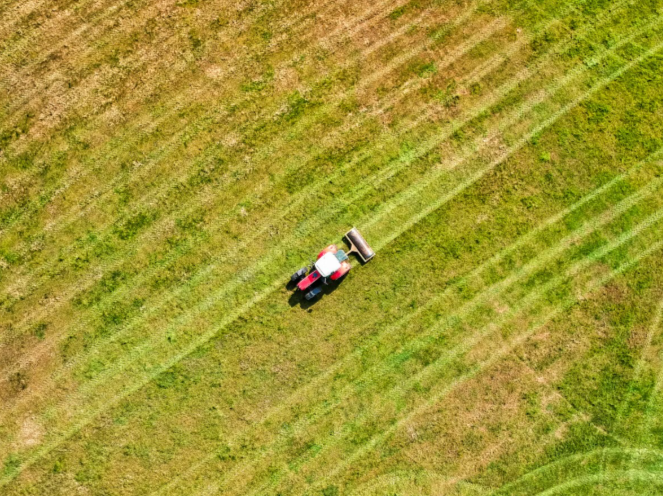
For large commercial lawns, a commercial riding mower is a game-changer. Unlike push mowers or consumer-grade alternatives, riding mowers are designed for heavy-duty, frequent use and can cover expansive areas quickly and efficiently. They come with enhanced features like wide cutting decks, better traction, and high-powered engines that cut mowing time drastically.
The initial investment may be higher, but the time saved and professional-grade results they deliver more than make up for it. Look for models with ergonomic designs and easy maintenance access to make upkeep simple.
Choose Low-Maintenance Landscaping Elements
Not all plants and features require the same level of care. To cut down on long-term labor, opt for drought-resistant plants, native grasses, and perennial ground covers that require minimal water and pruning.
Hardscaping features like stone paths or mulch beds can also reduce grassy areas that need mowing and weeding. By designing your landscape with ease of maintenance in mind, you reduce both costs and time spent on upkeep without compromising on appearance.
Implement Efficient Irrigation Systems
Watering large commercial landscapes by hand or with outdated sprinkler systems can be time-consuming and wasteful. Modern irrigation systems with smart timers, rain sensors, and drip irrigation zones help deliver water precisely where and when it’s needed.
These systems can be set to run during off-hours, reducing disruption to business operations. Efficient irrigation not only conserves water but also helps maintain healthier plants and turf by avoiding over- or under-watering.
Schedule Regular Inspections and Clean-Ups
Routine inspections are essential to identify early signs of wear, damage, or plant disease. Incorporate weekly or biweekly walk-throughs of the property to check for broken sprinkler heads, weed growth, pests, and litter.
Quick clean-ups of fallen branches, leaves, or debris can prevent larger issues down the line and keep the property looking pristine. Encouraging a maintenance routine keeps the landscape safe, attractive, and cost-effective in the long run.
Conclusion
Keeping a commercial landscape looking sharp doesn’t have to be a full-time struggle. With the right tools—like a riding mower—and smart planning, property owners can simplify maintenance while maximizing curb appeal. A thoughtful, efficient approach to landscape care reflects well on your business and enhances the experience of clients, tenants, and visitors alike.