
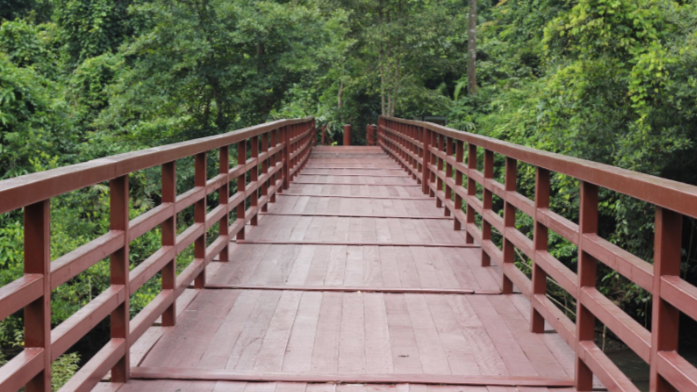
Timber bridges are making a strong comeback in modern construction. Many people think of wooden bridges as old-fashioned, but today’s timber bridges are smart, strong, and kind to the planet. In fact, using timber to build bridges has many environmental benefits that help protect nature and reduce pollution.
In this post, we’ll explore five eco-friendly advantages of timber bridge building, showing why wood can be a wise and green choice.
1. Timber Is a Renewable Material
One of the biggest benefits of timber is that it comes from trees, which are a renewable resource. This means trees can be replanted after being cut down. Unlike materials such as steel or concrete, which take a lot of energy to make and can’t be replaced, trees grow back over time.
If forests are managed properly, we can keep using timber without harming the environment. That makes timber a great choice for those who care about sustainability and the future of our planet.
2. Less Energy Is Needed to Make Timber Bridges
Creating steel and concrete involves a lot of heat, machines, and fuel. This process releases harmful gases into the air, which adds to climate change. In comparison, timber uses much less energy to harvest, cut, and prepare. Even transporting timber is easier because it is lighter than steel or concrete.
This means fewer trucks are needed, and less fuel is burned. When less energy is used, fewer carbon emissions are released. So, timber bridges help lower the carbon footprint of construction projects.
3. Timber Stores Carbon
Trees absorb carbon dioxide from the air as they grow. This carbon stays trapped inside the wood, even after the tree is cut down and used in construction. That means every timber bridge acts like a carbon storage unit.
As long as the wood is not burned, the carbon remains inside, helping reduce the amount of greenhouse gases in the atmosphere. Using more wood in bridges is actually a way to fight climate change.
4. Timber Bridges Can Be Recycled or Reused
Another eco-friendly feature of timber bridges is that they can be taken apart and reused. If a timber bridge is no longer needed, the wood can often be recycled into other products like furniture, flooring, or even another bridge.
This reduces waste and keeps materials out of landfills. Reusing timber also saves the energy that would have been used to create new building materials. So, even after a timber bridge reaches the end of its life, it can still help protect the environment.
5. Timber Bridges Blend in with Nature
Timber Bridge Building looks natural and beautiful. Because they are made from wood, they fit in well with forests, parks, and other green spaces. This is not just about looks—timber bridges can be built with less damage to the land around them.
Builders can use smaller machines and lighter tools, which means fewer trees and plants get harmed during construction. In sensitive areas, like wildlife reserves or hiking trails, timber bridges are a smart and gentle solution.
Conclusion
Timber bridge building offers many eco-friendly advantages. It uses a renewable resource, reduces carbon emissions, stores carbon, allows for recycling, and fits naturally into the environment. As more people look for greener ways to build, timber bridges provide a smart and sustainable option.
They are strong, beautiful, and better for the Earth. Choosing timber means building with nature, not against it.