
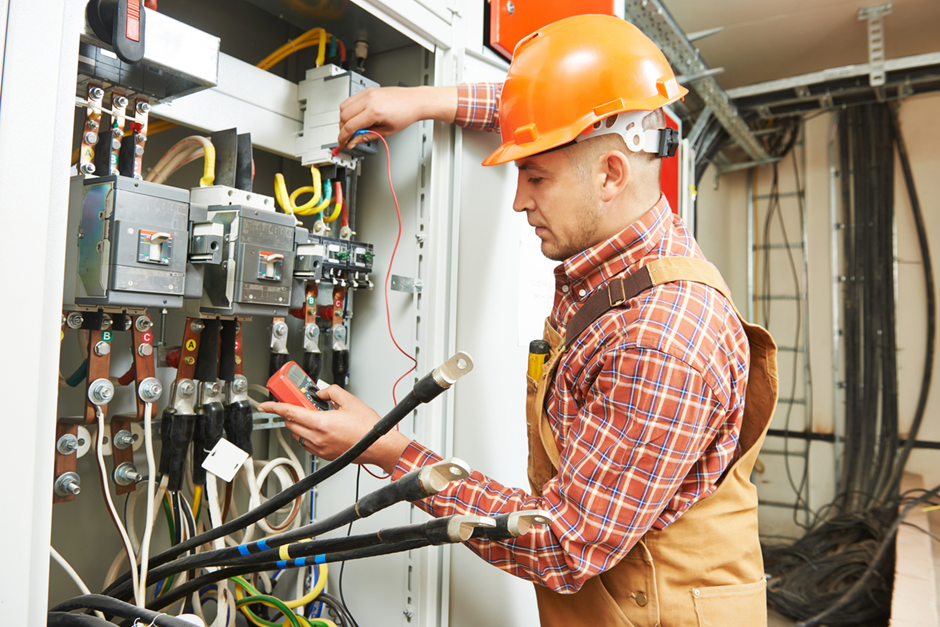
Electricians play a crucial role in maintaining the functionality and safety of electrical systems in both residential and commercial environments. Their expertise ensures that electrical systems are installed, maintained, and repaired according to stringent safety standards. Without the expertise of a Fort Myers electrician, or one similar, property owners can stuck with serious issues that they are unable to handle themselves. This article explores the essential skills and responsibilities of electricians, with a focus on the distinct roles of residential and commercial electricians.
Essential Skills for Electricians
Electricians must possess a diverse set of skills to effectively perform their duties. Key skills include:
- Technical Knowledge: A deep understanding of electrical systems, including wiring, circuit design, and troubleshooting, is fundamental. Electricians must be proficient in reading and interpreting blueprints, schematics, and technical diagrams.
- Problem-Solving Abilities: Electricians often face complex electrical issues that require innovative solutions. Effective problem-solving skills are essential for diagnosing and addressing faults promptly and accurately.
- Manual Dexterity: The ability to work with precision and dexterity is crucial for handling electrical components and tools safely. This skill helps in performing delicate tasks, such as wiring and installation, without causing damage.
- Attention to Detail: Accuracy is critical in electrical work to prevent potential hazards and ensure compliance with safety standards. Electricians must be meticulous in their work to avoid errors that could lead to electrical failures or safety risks.
- Physical Stamina: The job often involves working in various physical conditions, including confined spaces, heights, and adverse weather. Electricians must have the physical endurance to handle these demanding environments.
- Communication Skills: Effective communication is essential for coordinating with clients, contractors, and other professionals. Electricians must be able to explain technical issues and solutions clearly and concisely.
Responsibilities of Electricians
Electricians are responsible for a range of tasks that ensure the safe and efficient operation of electrical systems. Their responsibilities include:
- Installation: Electricians install electrical systems and components, including wiring, outlets, switches, and circuit breakers. This involves following detailed plans and specifications to ensure proper installation and compliance with electrical codes.
- Maintenance: Regular maintenance of electrical systems is crucial for preventing issues and ensuring reliability. Electricians perform routine inspections, testing, and preventive maintenance to identify and address potential problems before they escalate.
- Repair: When electrical systems malfunction or fail, electricians are tasked with diagnosing and repairing the issue. This involves troubleshooting to identify the root cause of the problem and implementing effective repair solutions.
- Safety Compliance: Electricians must adhere to safety regulations and standards to protect themselves and others from electrical hazards. This includes using appropriate safety equipment, following safe work practices, and ensuring that all work meets regulatory requirements.
- Upgrades and Modifications: As technology evolves, electrical systems may require upgrades or modifications to accommodate new equipment or improve performance. Electricians are responsible for implementing these changes while maintaining system integrity and safety.
At the core of every safe and effective electrical system is a commitment to structured policies and planning. Using a health safety and environment management system is essential for electricians and businesses alike. These systems provide a framework for identifying workplace hazards, mitigating risks, and ensuring compliance with both safety and environmental regulations. For electricians working in industries where heavy machinery or complex systems are involved, such a system can make all the difference in preventing accidents and maintaining smooth operations.
Commercial Electrician
A commercial electrician specializes in electrical systems for business and industrial environments. Their role involves several unique responsibilities and challenges:
- Complex Installations: Commercial electricians work on large-scale electrical systems, including lighting, HVAC systems, and high-voltage wiring. They must be skilled in managing complex installations that require coordination with other contractors and adherence to building codes.
- High-Traffic Environments: Commercial settings often involve high foot traffic and operational demands. Electricians must work efficiently to minimize disruption to business operations while performing their duties.
- Advanced Troubleshooting: Due to the complexity of commercial electrical systems, electricians need advanced troubleshooting skills. They must be able to diagnose issues quickly and accurately to avoid prolonged downtime.
- Compliance and Regulations: Commercial electricians must stay updated on industry regulations and standards specific to commercial and industrial environments. This ensures that all installations and repairs meet regulatory requirements and safety standards.
Residential Electrician
A residential electrician focuses on electrical systems within private homes and residential buildings. Their responsibilities are tailored to the needs of homeowners and include:
- Home Wiring: Residential electricians install and maintain wiring systems for lighting, outlets, and appliances. They must ensure that the wiring meets safety codes and is designed to handle the electrical demands of a household.
- Customer Interaction: Residential electricians often work directly with homeowners, requiring strong customer service skills. They must be able to explain technical issues in layman’s terms and provide recommendations for improvements or repairs.
- Safety Inspections: Regular safety inspections are vital for residential properties to prevent hazards such as electrical fires. Residential electricians perform these inspections to ensure that all electrical systems are safe and compliant with local codes.
- Home Upgrades: Many homeowners seek upgrades to enhance their electrical systems, such as installing new lighting fixtures or upgrading panels. Residential electricians handle these modifications, ensuring that they integrate seamlessly with existing systems.
Conclusion
Electricians are integral to maintaining the safety and functionality of electrical systems in various environments. Whether working in residential or commercial settings, their essential skills and responsibilities ensure that electrical systems operate efficiently and safely. Understanding the distinct roles of residential and commercial electricians highlights the breadth of expertise required to address the unique challenges of each field. As technology and building standards evolve, electricians will continue to play a vital role in safeguarding and advancing electrical infrastructure.