A puppy racing through the house, biting furniture, and demanding constant attention may not simply need more exercise. Young dogs can become harder to settle when activity, stimulation, meals, training, and sleep happen without a predictable rhythm. Structured exercise paired with planned quiet periods can make indoor life calmer while still giving a growing puppy healthy outlets for energy.
Start With Predictable Activity Instead of Constant Activity
Puppies benefit from movement, but endlessly trying to “wear them out” can create a cycle in which excitement keeps building. Short sessions of play, exploration, and age-appropriate training are often easier to manage than nonstop stimulation.
Owners browsing general web reading may encounter many different opinions about puppy energy. Rather than copying an intense schedule, watch how your own puppy behaves before, during, and after each activity.
If the puppy becomes increasingly wild instead of settling, more stimulation may not be the immediate answer.
Mix Physical Movement With Mental Work
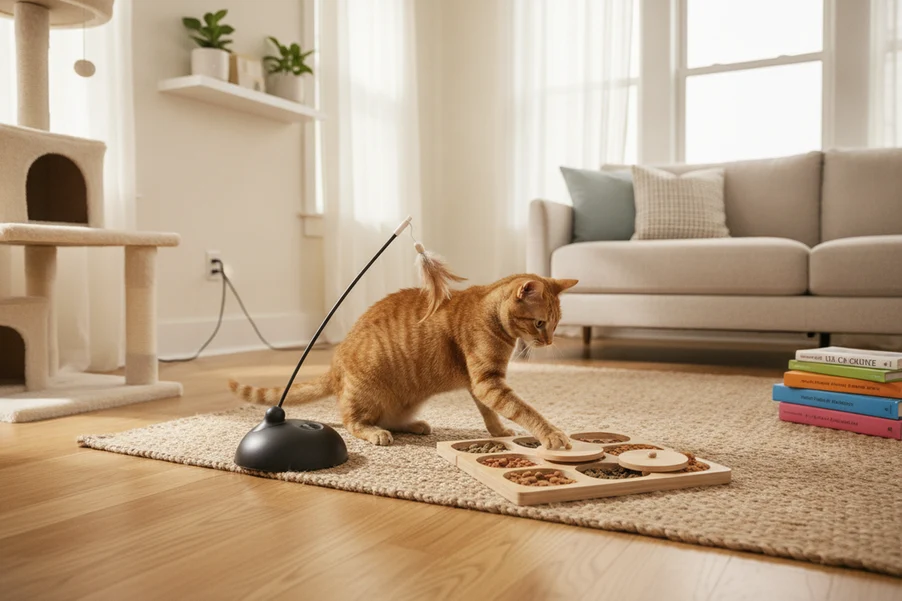
Indoor exercise does not have to mean repeated sprinting through a hallway. Food puzzles, short training sessions, sniffing games, controlled tug, and simple searches can occupy a puppy without turning every activity into high-speed play.
While general pet-related reading can supply ideas for keeping routines interesting, choose activities that suit the puppy’s size, age, confidence, and environment.
Mental tasks can be especially useful on days when outdoor activity is limited by weather. Five focused minutes of learning may leave a puppy ready for a break more effectively than another burst of chaotic chasing.
Build Rest Into the Schedule on Purpose
Puppies often need help switching from excitement to calm. After play or training, reduce noise, offer water, provide a safe resting space, and stop creating new reasons to stay alert.
People comparing information across broader digital reading may see conflicting advice about how much activity a puppy needs. Individual needs vary, so behavior is an important guide. A puppy that becomes increasingly mouthy, frantic, or unable to focus may need a quieter period rather than another game.
| Puppy Behavior | Possible Pattern | Useful Response |
|---|---|---|
| Zooming after long play | Overstimulation | Lower activity level |
| Repeated nipping | Excitement or fatigue | Calm transition |
| Restless wandering | Needs structure | Offer predictable routine |
| Settling after training | Mental work helped | Follow with rest |
Make the Home Support Calm Behavior
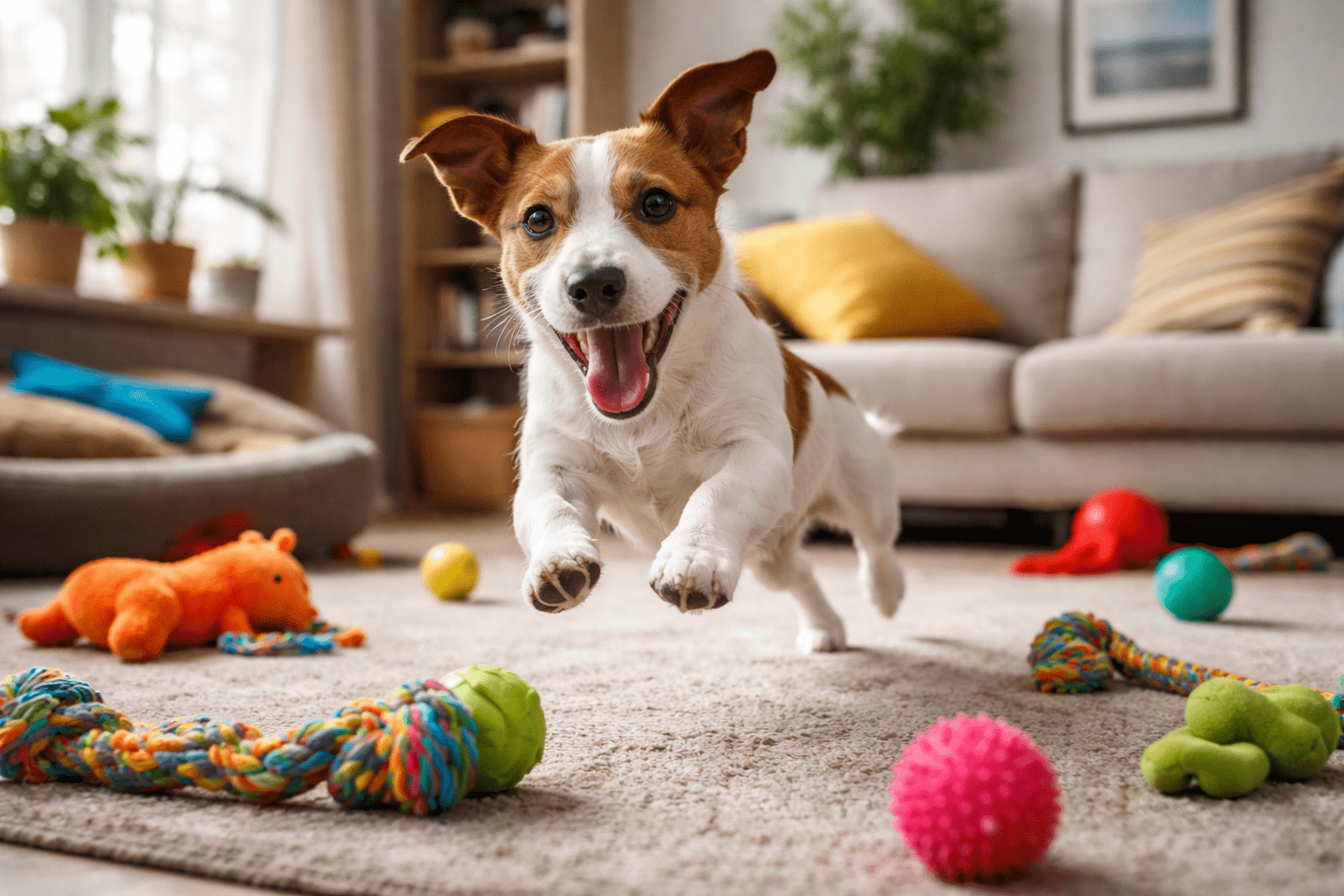
A cluttered room filled with toys, movement, noise, and people can make settling difficult. Keep a smaller selection of toys available and rotate them rather than leaving every option on the floor.
Create a predictable resting area away from the busiest path through the home. Calm behavior should also receive attention. If humans only interact when the puppy jumps, barks, or grabs something, the puppy can quickly learn that chaos produces a response.
Where Puppy Exercise Plans Often Go Wrong
More exercise is not automatically better. Repeated high-impact movement, forced running, or long sessions that ignore fatigue can be inappropriate for a growing puppy.
Another common mistake is changing the routine every day. Puppies often settle more easily when meals, toilet breaks, play, training, and rest occur in a recognizable pattern. Structure does not mean every minute must be scheduled, but the day should have clear active and quiet phases.
Frequently Asked Questions
Why does my puppy get wilder after exercise?
Some puppies become overstimulated or overtired rather than calm after intense activity. Try ending energetic play earlier and following it with a predictable quiet routine instead of adding another game.
Can indoor games replace outdoor walks?
Indoor games can provide useful physical and mental activity, but they do not replace every benefit of appropriate outdoor experiences. Safe exploration, sniffing, training, and gradual exposure to the outside world can still be valuable.
When should hyperactivity be discussed with a veterinarian?
Talk with a veterinarian if behavior changes suddenly or appears alongside limping, pain, unusual breathing, digestive problems, significant sleep disruption, or other concerning physical signs. A trainer may also help with persistent behavior-management problems.
Create a Rhythm the Puppy Can Understand
A calmer puppy routine is built around contrast: move, think, settle, rest, then repeat when appropriate. Instead of treating every burst of energy as a request for harder exercise, pay attention to whether your puppy is excited, bored, tired, or genuinely ready for more activity. Predictable transitions can make indoor behavior far easier to manage.