Thunderstorms can turn an ordinary evening into a stressful event for some dogs. Anxious dogs during thunderstorms may pace, hide, pant, cling to people, tremble, or search for an escape route. A safe-space routine cannot remove the storm, but it can make the surroundings more predictable and reduce extra stimulation.
Notice the Pattern Before the Storm Peaks
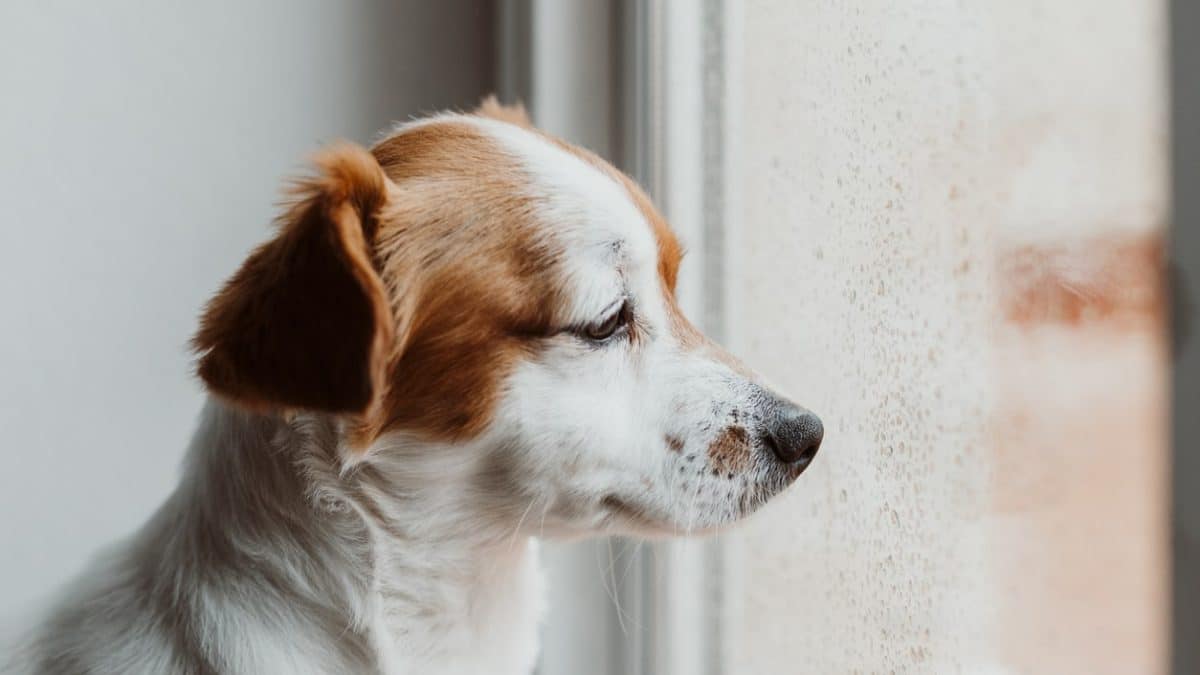
Some dogs react only after loud thunder, while others become unsettled earlier as wind, rain, or household behavior changes. Watch what your dog does first. Early clues may include following you closely, refusing food, moving toward a bathroom or closet, or checking doors and windows.
Let the Dog Choose a Preferred Area
Start with the place your dog already seeks. That might be a covered crate, an interior room, under a desk, or beside a familiar bed. A voluntary retreat is usually easier to accept than a new space introduced during a frightening moment.
Make the Safe Space Quieter
Close curtains, move bedding away from windows, and add steady background sound at a comfortable volume. General pet and home reading may offer ideas, but the best setup is usually the one your dog repeatedly chooses.
Keep water nearby and clear objects that could be knocked over if the dog paces.
Build a Routine the Dog Can Recognize
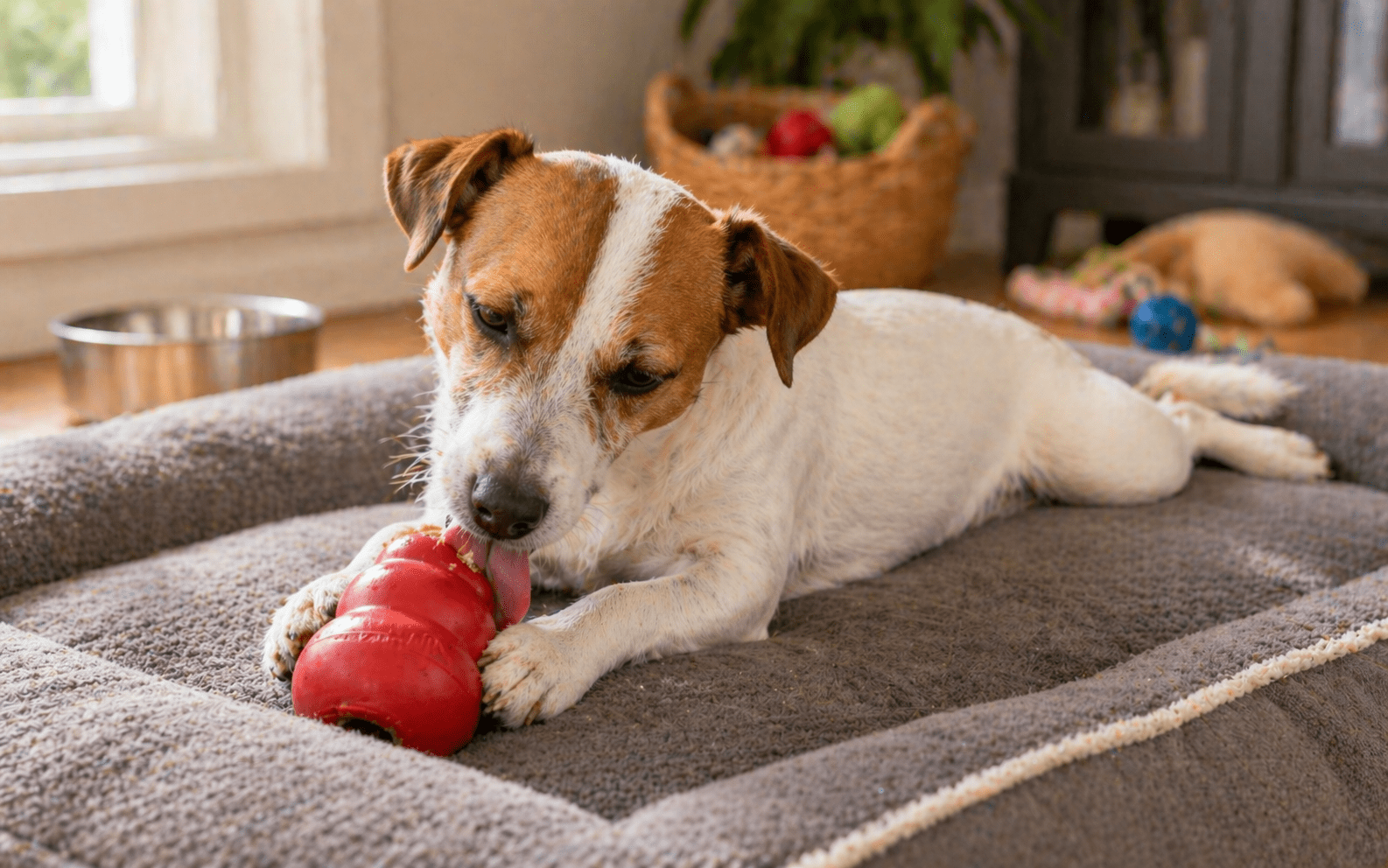
Prepare the same area before storms whenever possible. Add familiar bedding and a safe chew or food toy if your dog will use it. Broader everyday animal-care topics can provide inspiration, but avoid changing several things at once.
A predictable sequence also makes it easier to see what actually helps.
| Dog Behavior | Possible Need | Helpful Adjustment |
|---|---|---|
| Hiding | Less exposure | Provide a covered retreat |
| Pacing | More room | Clear a safe path |
| Watching windows | Fewer visual triggers | Close curtains |
| Clinging | Reassurance | Stay nearby without forcing contact |
Support Without Forcing Interaction
Some dogs want close contact during thunder; others want distance. Follow the dog’s preference. Sitting nearby can be reassuring, but pulling a frightened dog from a hiding place may increase stress or create a bite risk.
If you are comparing general household guidance, focus on your dog’s actual behavior rather than copying a setup that looks appealing but does not suit the animal.
Common Mistakes That Can Make Storm Anxiety Worse
Punishing fear, forcing a dog into an unfamiliar crate, or trapping it in a room it is trying to leave can add pressure. Waiting until the storm is severe before preparing the space can also make the routine harder to establish.
Fear is not an obedience problem. The goal is to reduce avoidable stimulation, prevent unsafe escape attempts, and give the dog a familiar place to settle.
Practice the Setup on Calm Days
Let the dog rest in the safe area during normal days so it is not associated only with frightening weather. Familiar bedding and calm activities can help make the location part of everyday life.
If storm fear is intense, worsening, or causing destructive escape attempts or injury, speak with a veterinarian. They can assess the behavior and discuss suitable options.
Frequently Asked Questions
Should I leave my dog alone during a thunderstorm?
It depends on the dog. Some settle well in a prepared area, while others become more distressed when alone. If your dog has a history of panic or escape behavior, plan supervision or veterinary guidance.
Is a crate always the best safe space for storms?
No. A crate can help a dog that already sees it as secure. If the dog dislikes confinement, an interior room or another familiar retreat may work better.
Can background noise help a dog during thunder?
Steady sound may mask some outside noise and reduce sudden contrasts. Keep the volume comfortable and use something familiar rather than introducing loud or unusual audio.
Make Calm Preparation the Habit
Prepare the preferred space early, reduce window exposure and sharp noise where possible, and let the dog choose how much contact it wants. Watch the first signs of anxiety rather than waiting for panic. A familiar, repeatable routine gives you a practical way to support the dog whenever the weather turns noisy.