Barcelona is one of Europe’s most enchanting cities—a sun-soaked destination where centuries-old traditions live side by side with avant-garde innovation. Located along the Mediterranean coast, the capital of Catalonia is a city that combines the charm of historic landmarks with the pulse of a modern metropolis.
A Brief History of Barcelona
Barcelona’s roots date back over 2,000 years to its founding as a Roman colony. Throughout the centuries, the city evolved through Visigoth, Muslim, and Christian rule, eventually becoming a major Mediterranean trading hub in the Middle Ages. Its cultural identity blossomed during the Catalan Renaissance, and today, it remains the heart of Catalan language, identity, and autonomy.
Remnants of this layered past can still be seen throughout the city—whether in the ancient Roman walls beneath the city, the Gothic architecture of the Cathedral of Barcelona, or the intricate façades of medieval mansions in the El Born district.
Architecture That Defines a City
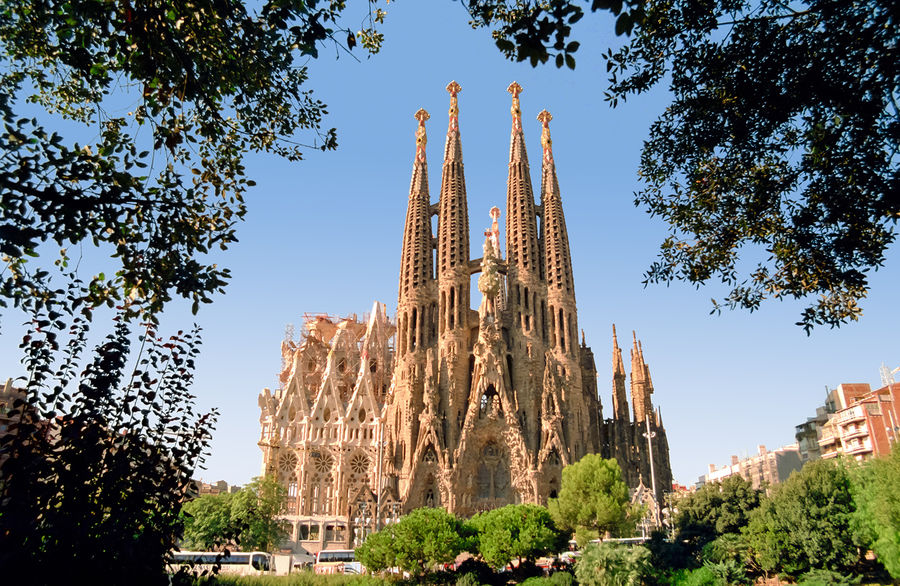
Barcelona is synonymous with the works of Antoni Gaudí, the mastermind behind some of the world’s most extraordinary architectural feats. The Sagrada Família, still under construction more than a century after it began, stands as a symbol of the city’s artistic spirit and resilience.
Other Gaudí landmarks, such as Casa Milà (La Pedrera) and Park Güell, transform urban spaces into works of art. The city also boasts a stunning example of urban planning with the Eixample district, known for its perfectly gridded streets and elegant modernist buildings.
Neighborhoods to Explore
Each of Barcelona’s neighborhoods offers a distinct experience:
- Barri Gòtic (Gothic Quarter): A maze of narrow, medieval streets filled with hidden squares and historic sites.
- El Raval: A multicultural neighborhood that balances edginess with artistic vibrancy.
- Gràcia: A bohemian area with independent boutiques, lively plazas, and a strong local identity.
- Poble-sec: Known for its tapas bars and access to the scenic Montjuïc hill.
- Eixample: Home to upscale shopping, wide boulevards, and many of Gaudí’s masterpieces.
A City That Celebrates Life
Barcelona’s calendar is packed with festivals that reflect its creative and community-oriented character. The most famous include:
- La Mercè Festival (September): A citywide celebration of music, art, and fireworks honoring the city’s patron saint.
- Sant Jordi’s Day (April): Catalonia’s version of Valentine’s Day, where books and roses are exchanged in a romantic, literary celebration.
- Primavera Sound and Sónar: Two internationally renowned music festivals that bring thousands of music lovers to the city each year.
Cuisine and Culinary Delights
Food is a cornerstone of life in Barcelona. From traditional Catalan dishes like pa amb tomàquet (bread with tomato) and escalivada to seafood-rich paellas and cutting-edge gastronomy, the city has something to offer every palate.
Markets like La Boqueria and Mercat de Sant Antoni are perfect spots to sample local produce, meats, cheeses, and sweets. Don’t forget to enjoy a glass of vermouth or Cava, the region’s sparkling wine.
Cannabis Culture in Barcelona
Beyond the historic landmarks and bustling beaches, Barcelona is also known for its progressive cannabis culture. The city has emerged as a key destination in Europe for cannabis enthusiasts, thanks to its unique system of private cannabis associations.
These nonprofit clubs provide a safe and regulated space where adults can consume cannabis. They’re not open to the public like Dutch-style coffee shops—you must be a registered member and invited by someone already affiliated.
If you’re curious about how these associations work or want to visit one legally and responsibly, you can find a trusted cannabis association in Barcelona here.
Tips for Travelers
- Language: Both Catalan and Spanish are official languages. While most people understand Spanish, using a few Catalan words is appreciated.
- Transport: The metro is efficient and covers all major attractions. Biking is also a great way to explore.
- Safety: Barcelona is generally safe, but be mindful of pickpockets in crowded areas like Las Ramblas or on public transport.
- Best time to visit: Spring (April–June) and fall (September–October) offer ideal weather and fewer crowds.
Conclusion
Barcelona is more than just a travel destination—it’s a living, breathing canvas of culture, creativity, and openness. Whether you’re drawn by its architectural wonders, vibrant street life, beach vibes, or curious about its alternative cannabis scene, this city welcomes you with warmth and endless possibilities.