
Soft sunlight reflecting off the domes of old mosques. Pleasant island wind brushing your face while discovering the island’s special colors and formations. Soft sand touching your feet as you climb a warm dune. Downhill skiing on fresh, powdery snow. And exploring world-class sites with fewer crowds. Autumn and winter in Iran feel like two different songs of the same country. This guide gives practical, region-by-region tips for traveling to Iran in fall and winter, with packing advice and useful travel notes to help you plan confidently.
Iran’s Four-Season Landscape

Iran is a large, geographically varied country that genuinely offers four distinct seasons, depending on where you go, when you go. Fall and winter make visits to certain places pleasant where you won’t be able to enjoy them in the warmer seasons. You can experience temperate northern jungles, golden central deserts, and sun-kissed southern islands and beaches. While these regions are mild and pleasant, Iran also treats you to the thrill of skiing on high snow-capped mountains at the same time. That variety is exactly why fall and winter are such good seasons for targeted travel.
Where to Go in Autumn and Winter in Iran (September–February)
- Classic cultural route (Shiraz, Isfahan, Tehran, Yazd, and Kashan): Autumn cools the daytime heat that can make summer touring tiring. Architectural walks, bazaars, and night-time tea houses feel especially pleasant with less crowds in the fall and winter.
- Southwestern Iran: The southwest’s heat eases in late autumn and winter, making it an ideal season to visit mesmerizing ancient ruins and historical landscapes without summer extremes.
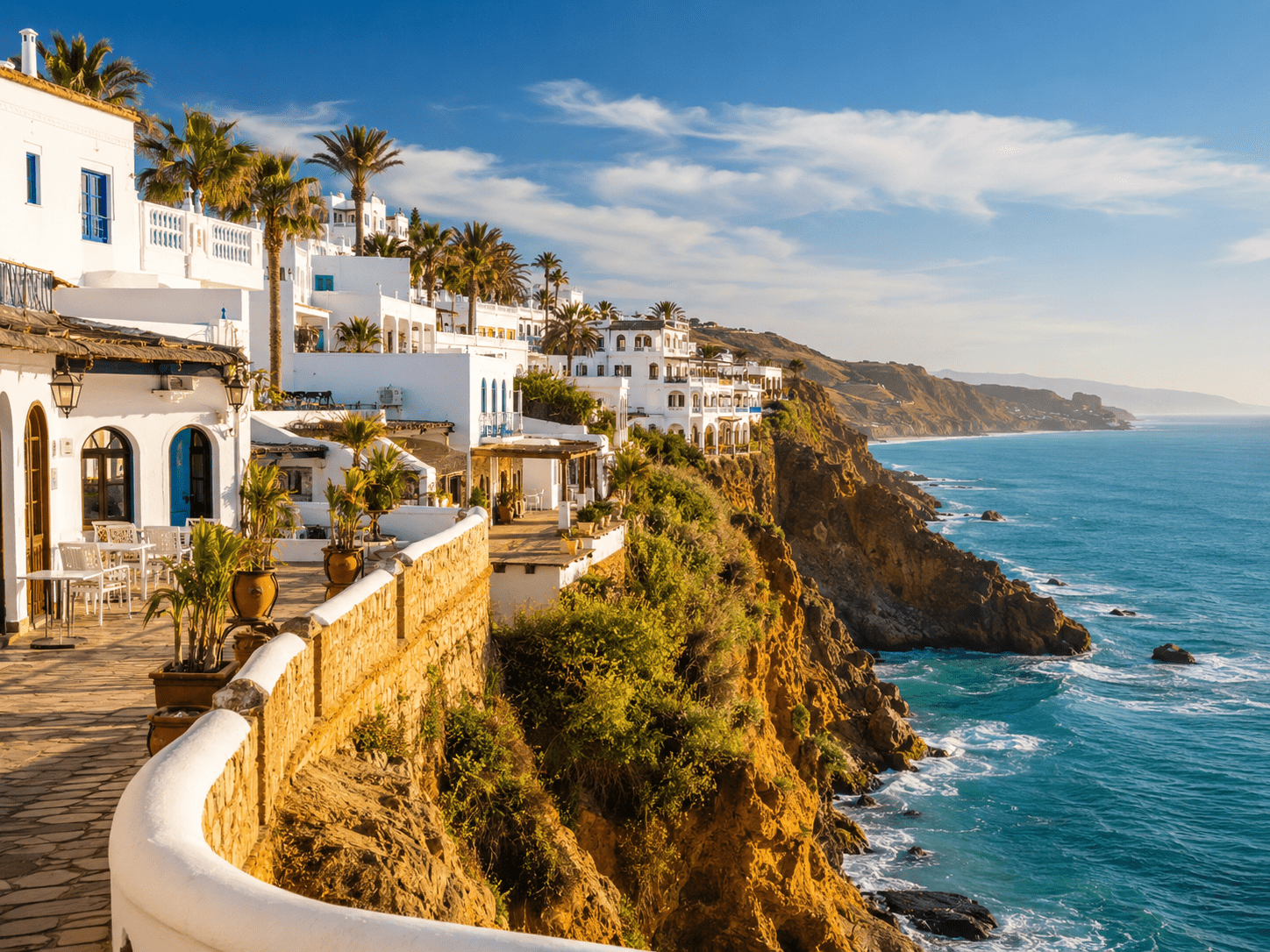
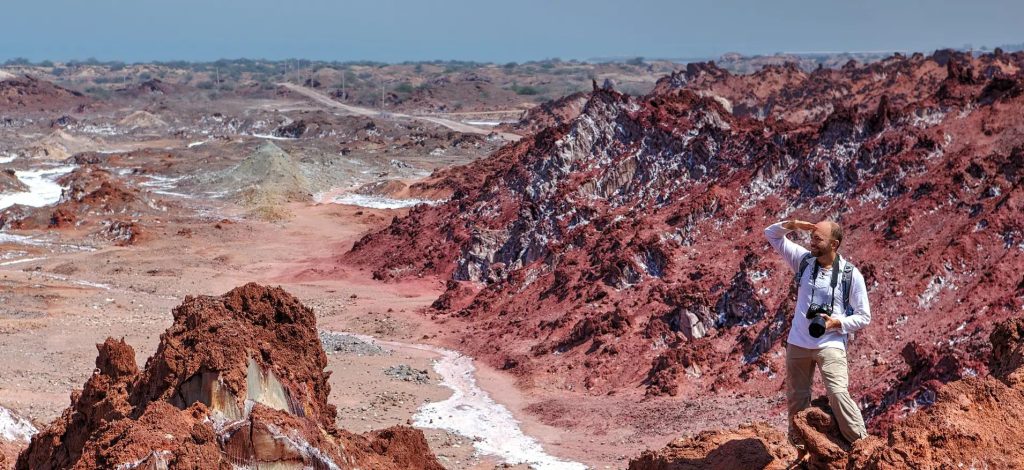
- Southern islands & Persian Gulf (Qeshm, Hormuz, Hengam, Kish, and the southern beaches): For warm and pleasant travel to Iran in fall and winter, these regions are comfortably mild from autumn through winter — perfect for island walks, nature exploration, boat rides, water sports, and coastal relaxation.
- Deserts (Lut and Shahdad, Varzaneh, Maranjab, etc.): The deserts become much more comfortable after the summer heat. While winter nights can be very cold, autumn offers crisp clear skies for photography, stargazing, and desert landscapes.
- Ski and Mountain Resorts (Dizin, Shemshak, Tochal, etc.): If you love snow, Iran’s ski resorts near Tehran and in the Alborz ranges offer surprisingly well-developed slopes and a local winter sports culture. Winter brings reliable snow at higher elevations.
- Hyrcanian forests & Caspian coast (Gilan, Gorgan, Mazandaran): Autumn turns the Hyrcanian forests into a tapestry of colors. Misty mornings, mossy paths, and cozy guesthouses make this a dreamy time for short hikes and photography. Expect cool, often damp weather. Waterproof layers and sturdy shoes are recommended.
Traveling to Iran in Fall and Winter: Activities by Region
- Autumn (best for): Hikes in deserts, islands, mountain foots, valleys, and northern jungles. Photography, stargazing, and cultural/historical explorations are also rewarding.
- Winter (best for): skiing/snow sports in the Alborz and Zagros ranges, hot springs in northwest Iran, cozy cultural evenings in cities, and warm escapes on southern islands. Cultural exploration through the classic route is also nice in winter.
Packing Checklist for Travel to Iran in Fall and Winter
- A warm coat and a lighter mid-layer for daytime city walks.
- Scarf/shawl (women) — versatile for modesty and warmth.
- Hat and gloves for colder evenings and mountain trips.
- Waterproof jacket and shoes for northern rain.
- Base layers and thermal underwear for mountain nights (if you’ll ski or visit high-altitude towns).
- Sunglasses and sunscreen —sun can feel strong for you, even in winter.
Useful Travel Tips for Traveling to Iran in Fall and Winter

- For desert trips, go with experienced guides and agencies who know safe routes and night temperatures. Deserts have warm days and cold nights in fall/winter.
- Plan ahead for island visits as these regions are popular among Iranians as well. So, book your services in advance and avoid local holidays.
- Use reputable local operators for multi-region fall and winter trips to Iran. They handle logistics, road conditions, local permits, and possible changes based on weather.
- Carry layers to be prepared for different weather and temperatures in different regions and at different times during the day.
- Pick regions to match weather: Iran’s “four seasons” means you can avoid extreme weather simply by choosing the right region.
- Be flexible on Transportation in winter as flight schedules might change and roads in mountain areas can be affected by snow. Leaving arrangements to a reputable tour operator and having flexible schedules help.
- Mountain weather can change quickly for skiing or trekking. Check weather forecasts and equipment/guide options before traveling to Iran in fall and winter.

An Activity for All Seasons: Immersive Iran Experiences
Finally, Immersive cultural experiences in Iran aren’t limited to just one season.
Community life in Iran stays vibrant throughout fall and winter, offering travelers a more intimate, authentic glimpse into daily rhythms. You can celebrate cultural traditions like Yalda Night, wander through bazaars bustling with seasonal produce and winter crafts, savor warm comfort dishes in family-run eateries, or join local gatherings and workshops when life slows down and becomes even more welcoming. Cooler months also bring quiet historical sites, misty mountain villages, and photogenic winter landscapes, making fall and winter some of the most rewarding times to experience Iran up close.